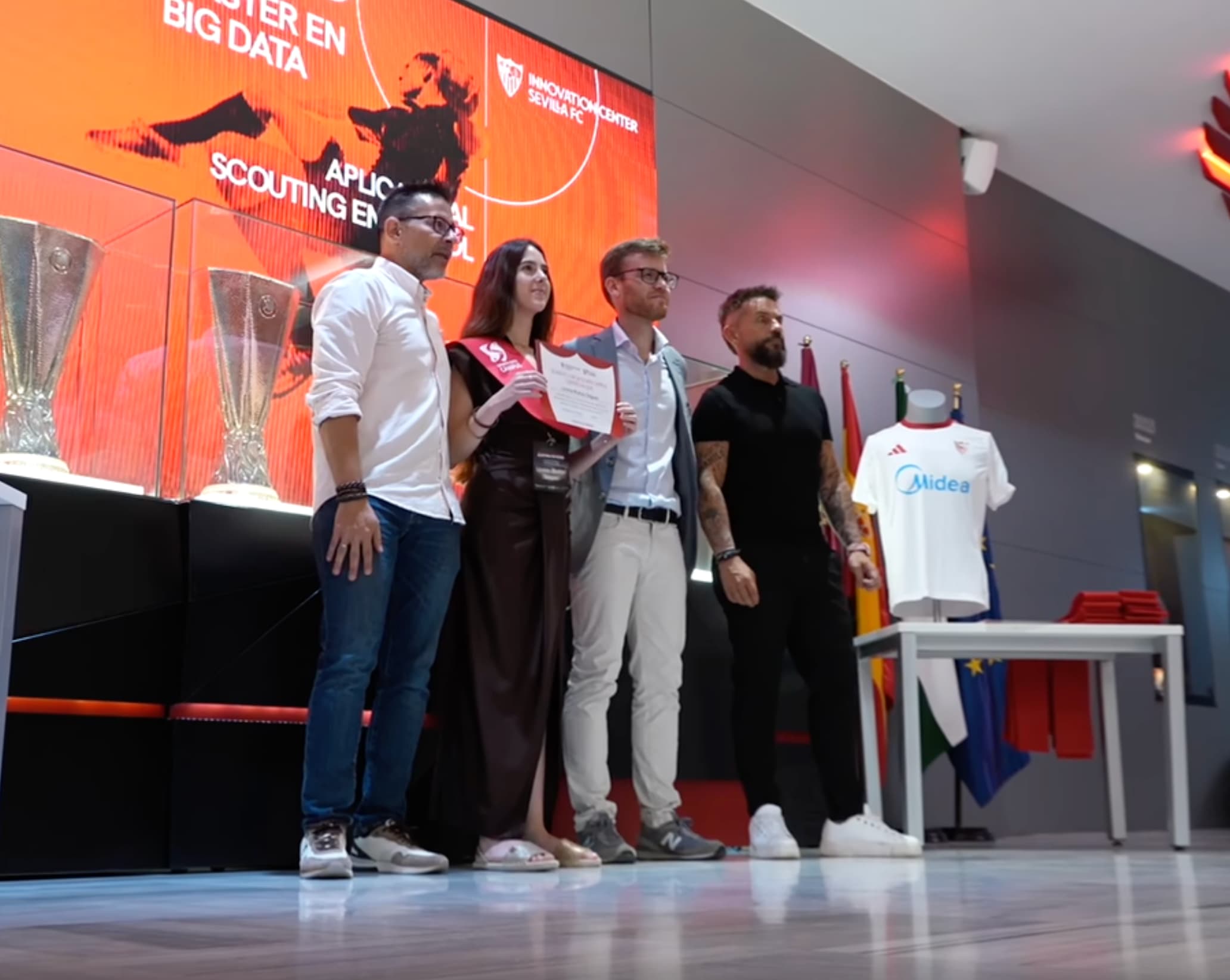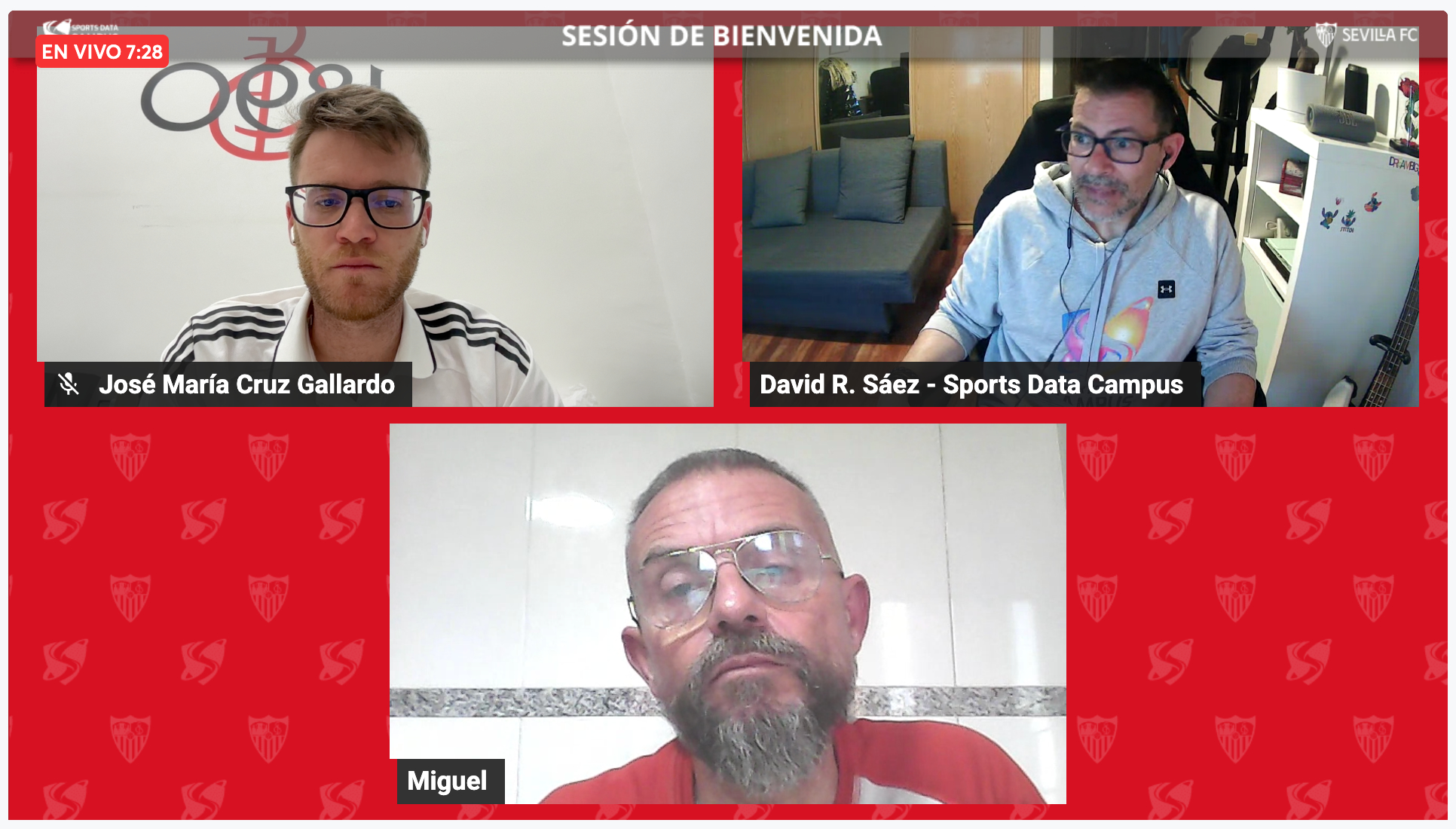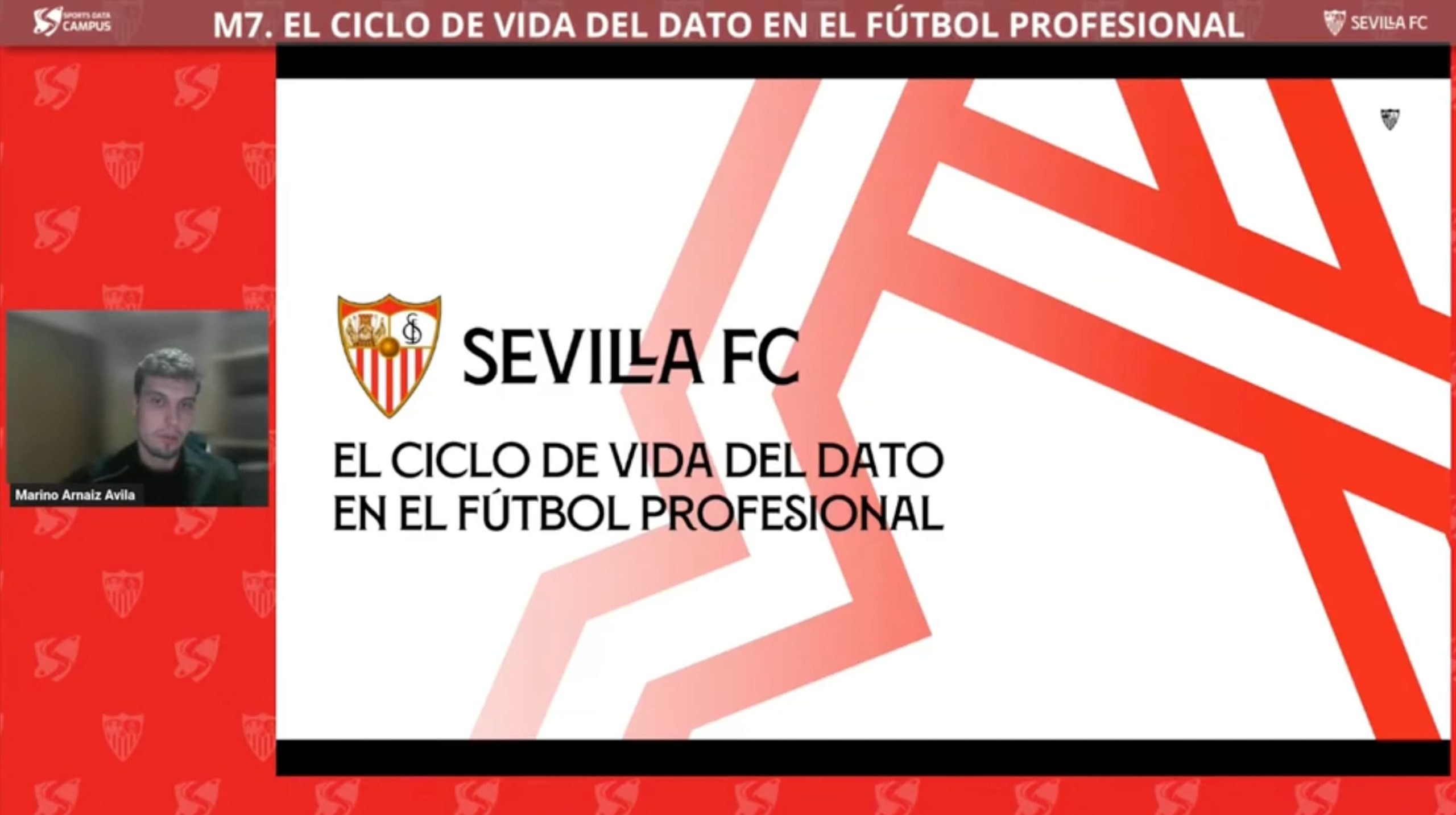
The XI Master’s Degree in Big Data Applied to Football Scouting is already entering its final stage before the start of a new edition. The programme, promoted by the Sevilla FC Innovation Center together with Sports Data Campus and UCAM, continues to establish itself as a leading training programme for professionals seeking to specialise in the use of data and advanced analytics within the football industry.
This new edition will begin on 28 October 2026, offering participants training focused on the current needs of clubs and sporting departments. The programme is aimed at sporting directors, analysts, scouts, coaches, fitness coaches and sports managers, providing the necessary tools to interpret large volumes of information and turn them into valuable insights for decision-making.
Throughout the Master’s Degree, students will be able to deepen their knowledge in areas such as Big Data, advanced analytics, scouting, performance analysis, data visualisation and artificial intelligence applied to sport, while also gaining knowledge of tools such as R and Python. The programme also incorporates a practical approach that enables participants to apply the knowledge acquired to the different analysis and planning processes present in professional football.
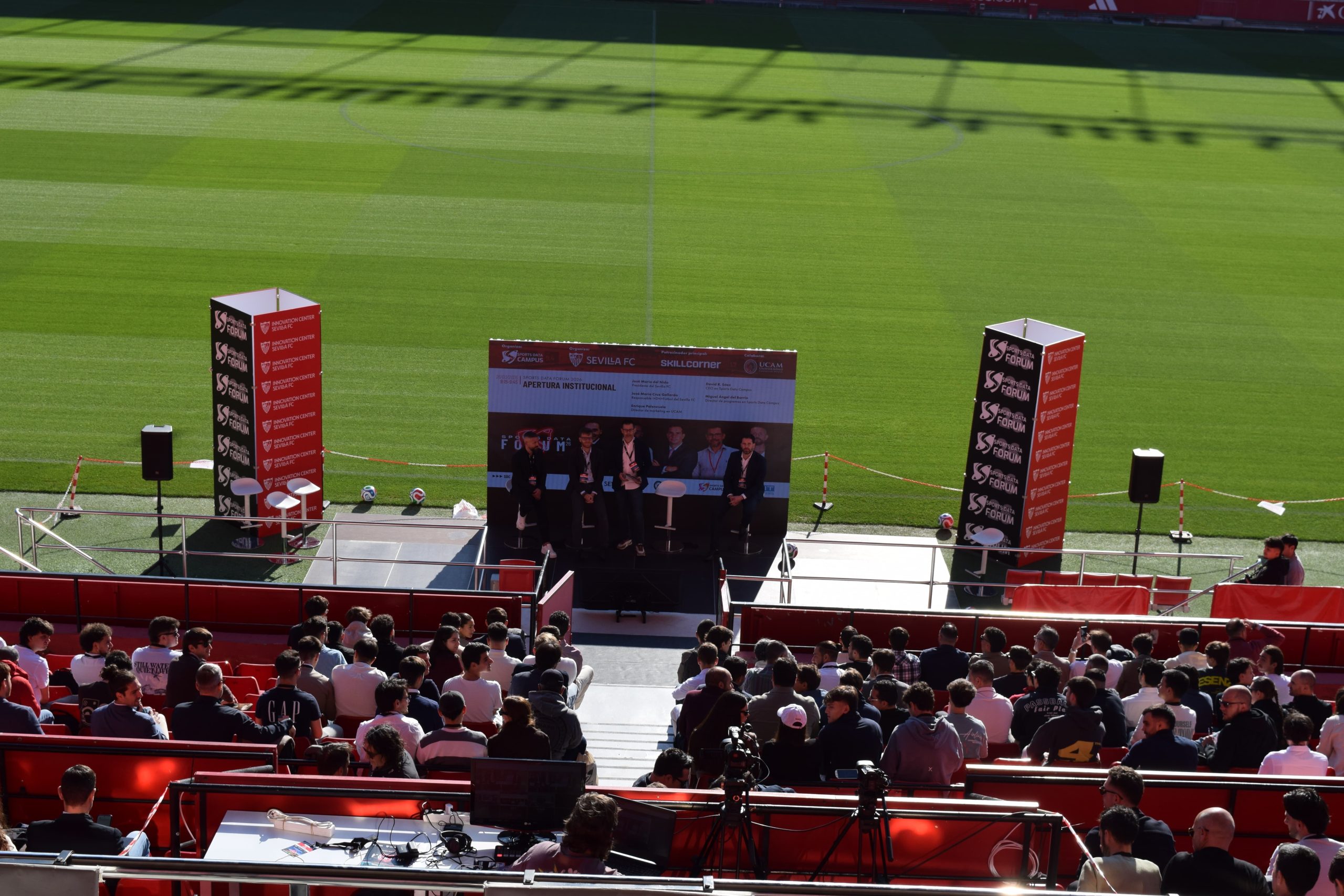
The training programme is also part of a knowledge ecosystem whose main meeting point is the Sport Data Forum, an annual event held at the Ramón Sánchez-Pizjuán Stadium that brings together professionals, experts, clubs and companies linked to Big Data, artificial intelligence and innovation applied to sport. In its 2026 edition, the event brought together numerous national and international speakers to share experiences, real-life cases and the main trends shaping the sector.
With the start of the XI edition drawing ever closer, there is still time to become part of a community of professionals specialising in the present and future of football analysis.
Registrations remain open. Don’t miss the opportunity to take the next step in your professional development and specialise in Big Data and advanced analytics applied to football scouting.
Find out all the information about the programme and reserve your place for the XI edition, here.