Posted on

El análisis en el fútbol profesional: una visión desde dentro del Sevilla Fútbol Club

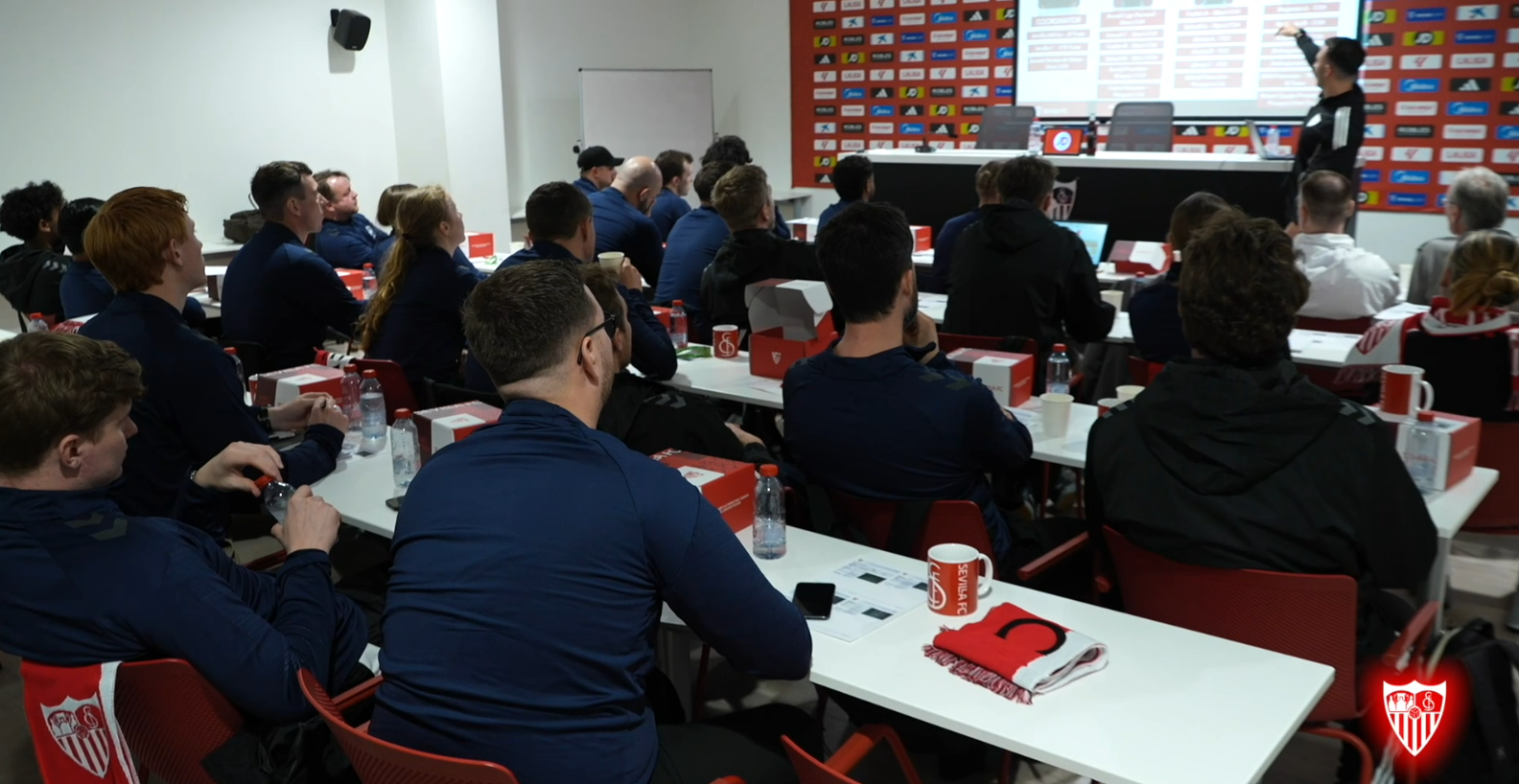
En el marco del Máster en Big Data aplicado al scouting en fútbol, los profesionales del área de análisis del Sevilla Fútbol Club compartieron una sesión en la que trasladaron, desde una perspectiva práctica y real, cómo se estructura y evoluciona el trabajo de análisis dentro de un club de élite.

La charla permitió a los alumnos conocer no solo herramientas o metodologías, sino también el contexto organizativo, la evolución del rol del analista y la importancia estratégica del dato en el fútbol moderno.

Un departamento clave dentro de la estructura del club

El área de análisis se integra dentro del departamento de innovación deportiva, lo que refleja una idea fundamental: el análisis ya no es un complemento, sino una pieza estructural dentro de la toma de decisiones deportivas.

Desde esta posición, el equipo de análisis trabaja de forma transversal con diferentes áreas del club:

  • Dirección deportiva
  • Primer equipo
  • Cantera
  • Departamentos de rendimiento y desarrollo
  • Departamento médico.
  • Departamento financiero y recursos humano.
  • Departamento de comunicación. 
  • Área de datos.

Esta ubicación permite que el análisis no se limite al corto plazo (resultado inmediato), sino que tenga un impacto en el desarrollo del talento, la planificación deportiva y la optimización de recursos.

Perfiles multidisciplinares: la clave del éxito

Uno de los aspectos más destacados de la sesión fue la importancia de construir equipos con perfiles diversos. Lejos de un modelo único de analista, el departamento está formado por profesionales con distintas especializaciones:

  • Expertos en análisis táctico del juego
  • Especialistas en datos y programación
  • Profesionales del ámbito del rendimiento físico
  • Perfiles híbridos con conocimientos en varias áreas

Esta combinación permite generar una visión 360º del jugador y del juego, integrando lo que ocurre en el campo con lo que reflejan los datos.

El mensaje para los alumnos es claro: el futuro del sector pasa por la combinación de conocimiento futbolístico y capacidades analíticas, junto con una actitud constante de aprendizaje.

La evolución del análisis: de “figura desconocida” a pilar estratégico

Uno de los puntos más interesantes fue la reflexión sobre cómo ha evolucionado el rol del analista en los últimos años.

Hace no tanto tiempo, el analista era percibido como una figura externa, incluso con cierta desconfianza por parte de los cuerpos técnicos. Sin embargo, gracias al desarrollo de metodologías y herramientas, el análisis ha pasado a convertirse en un elemento fundamental dentro del ecosistema del fútbol.

Esta evolución se ha producido en varios niveles:

  • Tecnológico
    • De procesos manuales a automatización
    • Uso de herramientas como Power BI o lenguajes como Python
    • Implementación de sistemas de tracking automático
  • Metodológico
    • De informes estáticos a dashboards dinámicos
    • De datos aislados a modelos de análisis complejos
    • Creación de indicadores de rendimiento y sistemas de scoring
  • Organizativo
    • Integración del analista dentro de la estructura del club
    • Mayor interacción con múltiples departamentos
    • Participación en la toma de decisiones

El objetivo ya no es simplemente recolectar datos, sino transformarlos en información útil y accionable.

El dato como motor de decisión

Durante la sesión se hizo especial hincapié en una idea clave:


“El dato no es el fin, es el medio.”

El verdadero valor del análisis reside en la capacidad de convertir datos en conocimiento que impacte en:

  • La mejora del rendimiento individual y colectivo
  • La identificación y evaluación de talento
  • La toma de decisiones en scouting
  • La optimización de procesos internos
  • En la toma de decisión ejecutiva.

En este contexto, se destacó el desarrollo de herramientas como:

  • Modelos de scoring por posición
  • Sistemas de comparación entre jugadores y equipos
  • Bases de datos enriquecidas mediante procesos propios (ETL y minería de datos)

Además, la automatización de procesos permite liberar tiempo para que los analistas se centren en tareas de mayor valor añadido.

El día a día del analista: planificación y mejora continua

Otro de los puntos clave fue la explicación del trabajo diario dentro del departamento.

El proceso comienza en pretemporada, donde se definen los objetivos tanto operativos como estratégicos. A partir de ahí, el trabajo se desarrolla de forma estructurada durante toda la temporada:

  • Apoyo constante a los cuerpos técnicos
  • Análisis de partidos y jugadores
  • Elaboración de informes dinámicos
  • Revisión y mejora de procesos
  • Adaptación a cambios dentro del club

Este enfoque refleja una cultura de mejora continua, donde cada temporada se convierte en una oportunidad para evolucionar tanto a nivel individual como colectivo.

Salidas profesionales reales

Uno de los mensajes más motivadores para los alumnos fue la evidencia de que el camino hacia el fútbol profesional es posible.

Desde el propio departamento se destacó que:

  • Alumnos del máster han realizado prácticas en el club
  • Muchos de ellos han terminado trabajando en estructuras profesionales
  • Existen casos de éxito en clubes nacionales e internacionales

Esto refuerza la idea de que la formación especializada, combinada con experiencia práctica, puede convertirse en un auténtico trampolín hacia la industria del fútbol.

De la formación al fútbol profesional: el siguiente paso

La sesión dejó una idea clara: el fútbol actual ya no se entiende sin el análisis y el uso inteligente del dato.

El Máster en Big Data aplicado al scouting en fútbol se posiciona como una formación alineada con esta realidad, ofreciendo a los alumnos no solo conocimientos técnicos, sino también una conexión directa con el entorno profesional.

En un sector cada vez más competitivo, la combinación de formación, especialización y experiencia práctica marca la diferencia. Y este tipo de iniciativas acercan a los alumnos a ese objetivo: convertirse en profesionales del fútbol del presente y del futuro.

Posted on

The Danish Football Association takes part in the Coaches Academy programme

The Sevilla FC Innovation Center welcomed future coaches from the Danish Football Association to the José Ramón Cisneros Palacios Training Ground this week, as they are currently completing their UEFA A coaching licence.

This visit marks the Danish FA’s first participation in the international Coaches Academy programme, an initiative designed to offer tailored educational experiences to clubs and federations from different countries.

During their stay, the coaches took part in a fully immersive experience that enabled them to gain an in-depth understanding of Sevilla FC’s sporting model, from Sporting Direction to academy teams.

The programme included:

  • Strategic sessions with sporting department leaders.
  • Live training observations.
  • Methodological analysis of tasks and planning.
  • Professional exchange and discussion spaces.

The high level of engagement and interest shown by the delegation has led to the arrival of a second group of Danish coaches, consolidating an international relationship based on knowledge transfer and educational excellence.

Sevilla FC Innovation Center continues to strengthen its positioning as a European benchmark in coach education and structural development for sports organisations.

Posted on

Sevilla FC and FC Real Sireti hold a working meeting

Sevilla FC once again showed that its greatness goes beyond the pitch.


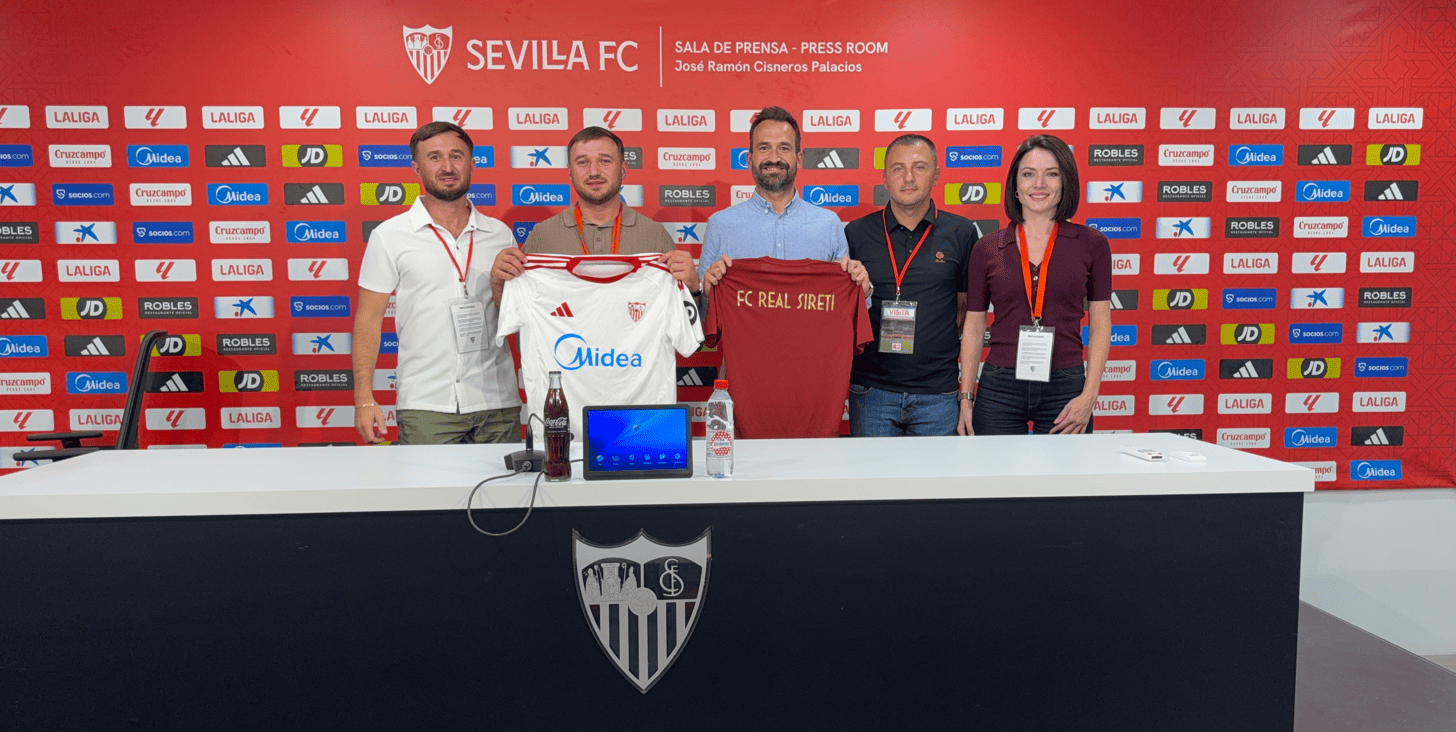
On September 30 and October 1, the José Ramón Cisneros Palacios Training Ground became the stage for an international meeting: the visit of a delegation from FC Real Sireti, as part of an exchange and collaboration program focused on talent development and scouting.

During their stay, the representatives of the visiting club immersed themselves in the Sevillista identity. From the High Performance Program training sessions to the youth academy teams, Sevilla C and Sevilla Atlético, the coaches were able to witness first-hand the methodology that has made Sevilla FC a benchmark in the comprehensive development of footballers.

The agenda also included high-level meetings with the Data Football Department, the Youth Academy Analysis Area, and the innovative Football Laboratory, where experiences were shared on innovation, performance monitoring, and advanced methodologies to enhance talent.

The afternoons were dedicated to Sevilla FC’s youth academy, the true heart of the club, where the methodological and human approach drew the attention of the visiting delegation. The final highlight was a tour of the legendary Ramón Sánchez-Pizjuán Stadium.

Through this exchange, Sevilla FC reaffirms its international outlook and its commitment to the identification, training, and development of young talent, continuing to project values and excellence beyond our borders.

Because at Sevilla FC, every visit is also an opportunity to grow.

Posted on

Hispania FF of Puerto Rico visits the Players Academy Program

Hispania FF of Puerto Rico Visits the Players Academy Program at Sevilla FC Innovation Center

In recent days, the Players Academy program at the Sevilla FC Innovation Center welcomed a special visit from the players of Hispania FF of Puerto Rico. The club’s delegation, composed of more than 60 players of various age groups and four coaches, was divided into four categories to take full advantage of the development and training offered by Sevilla FC’s player enhancement program.

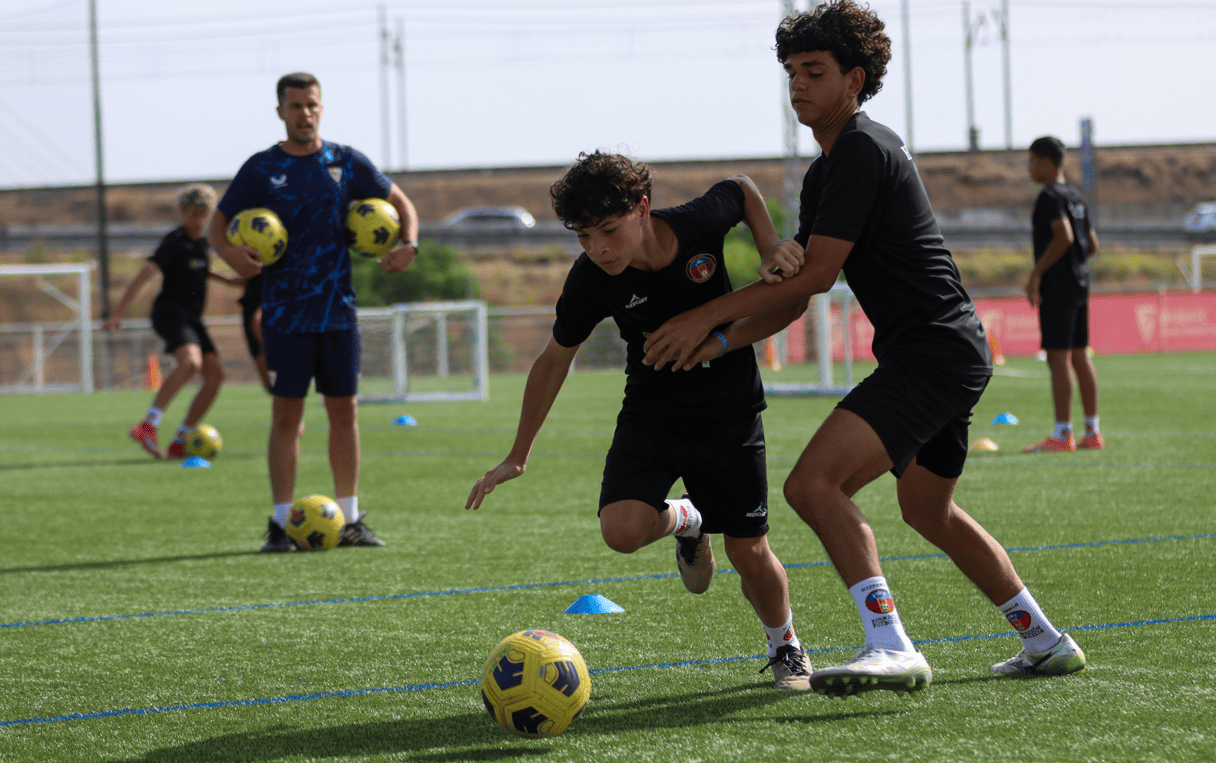
As part of their experience, the players took part in training sessions at the club’s sports city, following the official Sevilla FC methodology. Their stay also included a friendly match against Sevilla FC’s Infantil A side, coached by Álex Martín.

In addition, the visiting group had the opportunity to explore the club’s top-tier facilities, including a full tour of the iconic Ramón Sánchez-Pizjuán Stadium.

The group also attended educational sessions delivered by various Sevilla FC professionals, covering topics such as international sports projects and sports psychology.

Posted on

Taking part in the Employment and Entrepreneurship Fair of the UPO

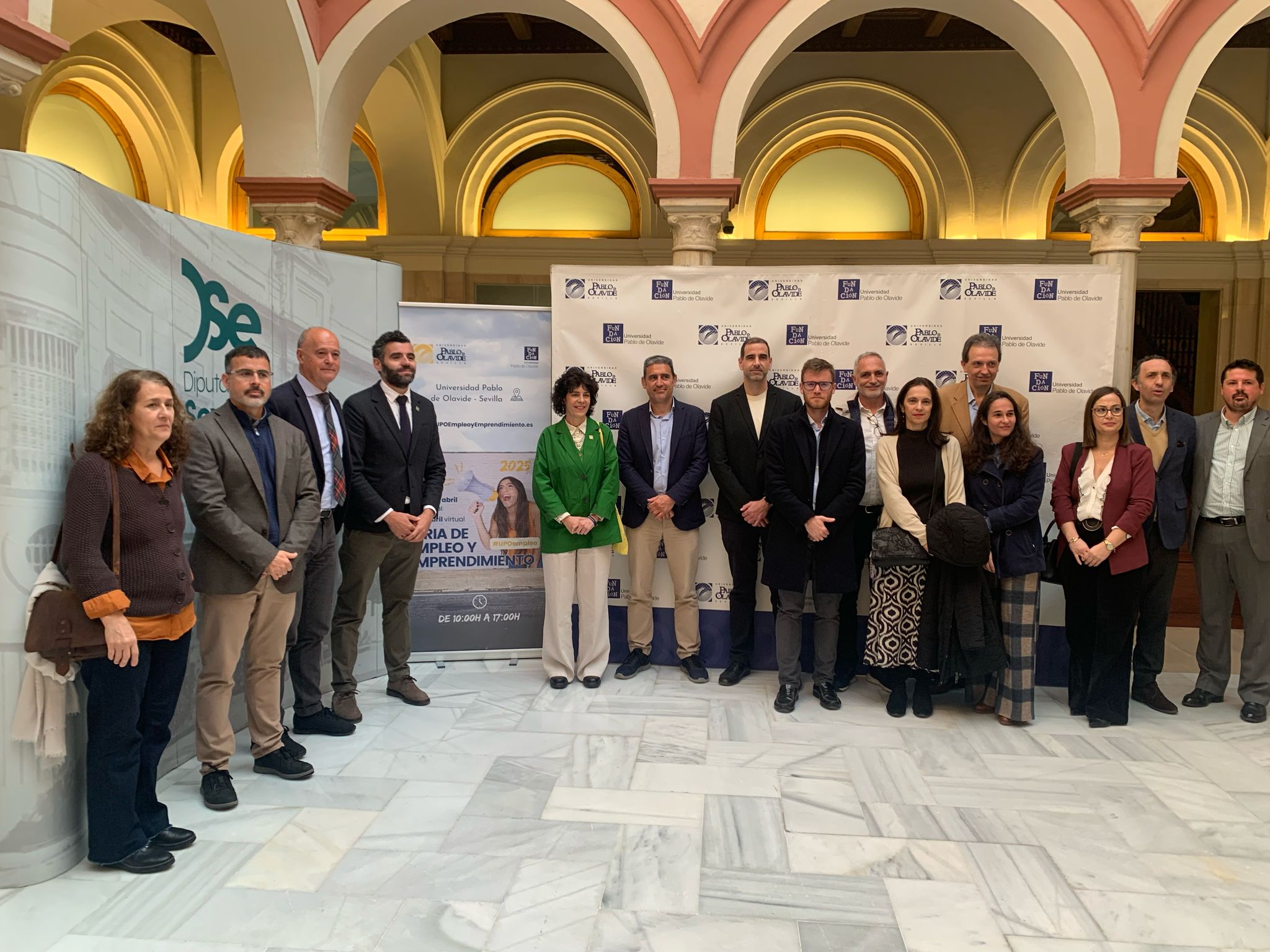
The Pablo de Olavide University has presented the 9th edition of its Employment and Entrepreneurship Fair, which will be held in person on April 22 and 23, and online on April 24. The event, driven by the UPO (Pablo de Olavide University), aims to connect students with companies and entities from the productive sector. This edition will feature the Sevilla Innovation Center, as part of the program framed within the Sevilla FC Chair: university, business, and sport.

A new feature in this edition is the virtual phase of the Fair, which will be carried out through a new web platform. The Vice-Rector for Students, Employability, and Entrepreneurship, Amapola Povedano Díaz, highlighted this development during the opening ceremony, stating that “we aim for the 9th edition of the Employment and Entrepreneurship Fair to foster interaction between companies, institutions, and the talent generated by the university.”

The Employment and Entrepreneurship Fair will feature various information stands, a business pavilion, job offers, an exhibitor agenda, and a conference schedule. Students, who must register in advance to participate in the different activities, will be able to explore first-hand the job opportunities available after finishing their studies, as well as current labor market demands.

Through a virtual platform, students will be able to register for different meetings with companies, learn about their internship and hiring plans, sign up for in-person talks, submit their resumes to companies, and access the information provided by the various participating companies.

The Innovation Center will be present with an informative and innovative stand offering its training programs.

We look forward to seeing you in person on April 22 and 23 and online on April 24!

Posted on

The winners of the 4th edition of the Blasco Garzón Awards have been chosen

The ‘Sevilla FC Chair: University, Business, and Sport’ at Pablo de Olavide University (UPO) opened the submission period for the 4th edition of the Manuel Blasco Garzón Award on January 29. This award recognizes excellence in the best Bachelor’s and Master’s Final Projects presented by UPO students, including both official degrees and lifelong learning programs.

Through this initiative, Sevilla FC, via its Innovation Center, aims to promote research, academic study, and knowledge transfer across various fields. The list of accepted submissions can be found at this link.

The Manuel Blasco Garzón Award pays tribute to the former Sevilla FC president, under whose leadership the club won two Andalusian Cups, hired its first team doctor, organized its first training camps, and hosted the Spanish Cup final at the Reina Victoria Stadium between FC Barcelona and Arenas Club de Getxo.

Blasco Garzón was also a key figure in Seville’s social and cultural life, serving as president of the Ateneo de Sevilla and promoting educational initiatives to improve cultural access in neighborhoods and combat illiteracy.

Posted on

List of accepted works in the IV edition of the Blasco Garzón Award

The ‘Cátedra Sevilla FC: Universidad, Empresa y Deporte’ at the Universidad Pablo de Olavide (UPO) opened the submission period for the III edition of the Manuel Blasco Garzón Award on November 20. This award recognizes the excellence of the best Bachelor’s and Master’s theses presented by students enrolled at UPO, both in official degrees and in continuing education programs. Through this initiative, Sevilla FC, via its Innovation Center, aims to promote study, research initiation, and knowledge transfer across various fields. The list of accepted submissions can be consulted at this link.

The Manuel Blasco Garzón Award pays tribute to the memory of the former president of Sevilla FC, under whose tenure the club won two Andalusian Cups, hired the first doctor in the club’s history, organized the first training camps, and secured the hosting of the Spanish Cup final at the Reina Victoria Stadium, contested between FC Barcelona and Club Arenas de Guecho. Additionally, his board included a young man destined to write the greatest chapters in the club’s history: Ramón Sánchez-Pizjuán. Blasco Garzón was also a prominent figure in Seville’s social and cultural life at the time, serving, among other roles, as president of the Ateneo de Sevilla and promoting projects aimed at bringing culture to local neighborhoods, contributing to citizens’ education, and helping combat illiteracy.

Posted on

The Business Academy Program welcomes a delegation of clubs from Sweden

The Sevilla FC Innovation Center continues to demonstrate its commitment to education in the football industry. During the first week of December, two Swedish clubs, Mjällby AIF and IK Sirius Fotboll, took part in a training session as part of the Business Academy program.

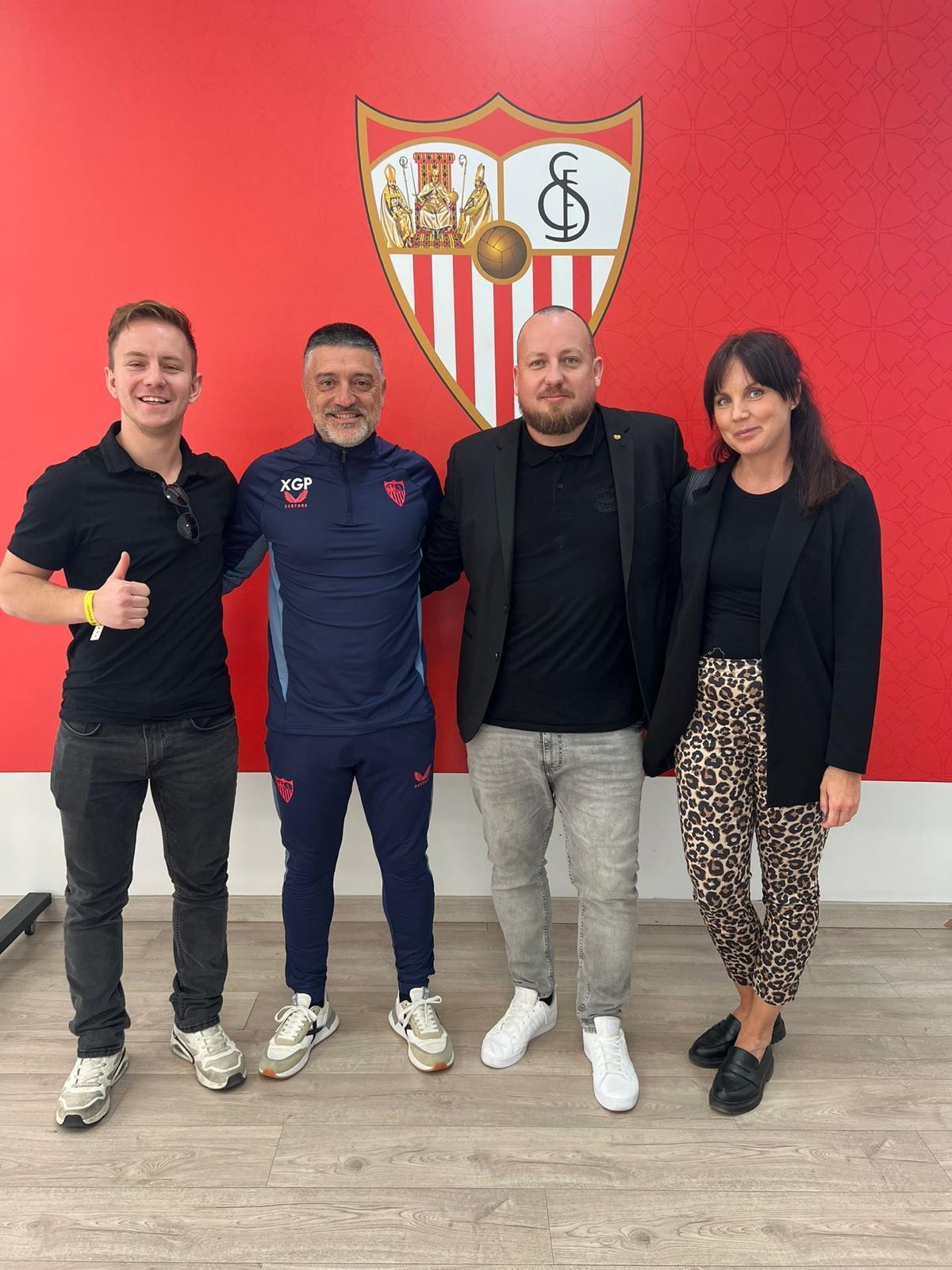
The communications managers from both clubs visited the José Ramón Cisneros Palacios Training Center, where they gained firsthand insight into the workings of Sevilla FC’s various business areas and the daily operations of its communications department. Their experience included observing external media interactions during training sessions and press conferences, as well as attending a press briefing by coach Xavier García Pimienta ahead of the match against Club Atlético Osasuna.

Participants in this Business Academy training expressed high satisfaction with the knowledge they gained about the club’s operations and took note of various methodologies to consider implementing in their own organizations.

Posted on

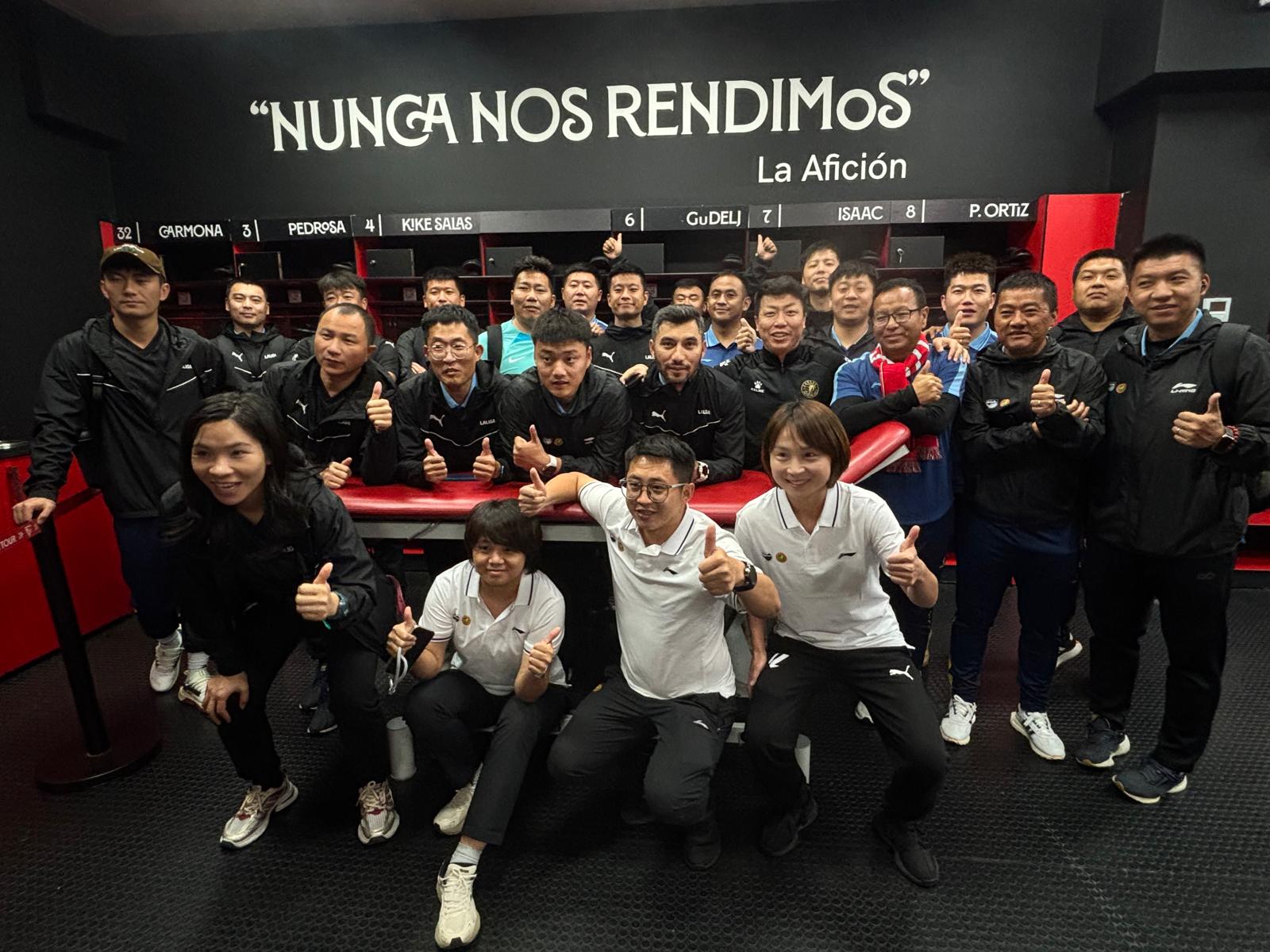
The Sevilla FC Innovation Center conducted a training session with a group of coaches from China

The Coaches Academy program organized by the Sevilla FC Innovation Center recently welcomed a group of coaches from China, in collaboration with LALIGA and the country’s Ministry of Education. The visit aimed to provide training sessions and offer firsthand insight into the club’s sporting methodology across all its areas.

During their stay, the participants took part in a specially designed program that explored innovative training methodologies, technical and tactical analysis, and comprehensive team management, with a particular focus on youth football development. The group had the opportunity to closely observe Sevilla FC’s working model, participating in club activities and witnessing training sessions, as well as internal analysis and organizational processes, firsthand.

“We had a very good experience here. We visited the training grounds, the various academy categories, the women’s team, and the first team. We learned many things, not only about managing the technical side of the club but also the business aspects. What we enjoyed most was watching training sessions of players of different ages on the field,” explained the delegation leader, Wang Chao.

As part of the training, the coaches highly appreciated the opportunity to learn about Sevilla FC’s methodology and the meticulous attention to detail that facilitates the daily lives of players, both at the professional and developmental stages.

“For coaches and players, it is very important to understand how this sport works. Football is an interactive sport both on and off the field, which makes it the most popular sport in the world. It’s not just about training; it’s about paying attention to details, methodology, and planning. This inspires us to focus on everything from the smallest details to the bigger picture,” reflected Chao.

Participation in this program reaffirms Sevilla FC’s commitment to establishing itself as a global benchmark in sports education, fostering connections with different cultures, and promoting the exchange of knowledge to strengthen the development of football worldwide.

If you are interested in learning more about these types of programs, contact us through this link.

Posted on Leave a comment

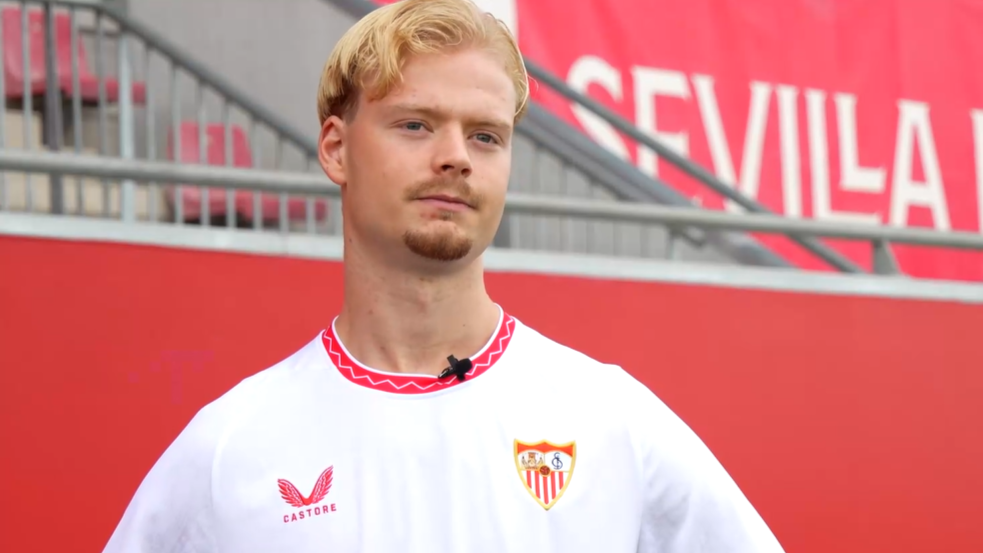
The Swedish forward Sebastián Fineman makes his debut with Sevilla FC

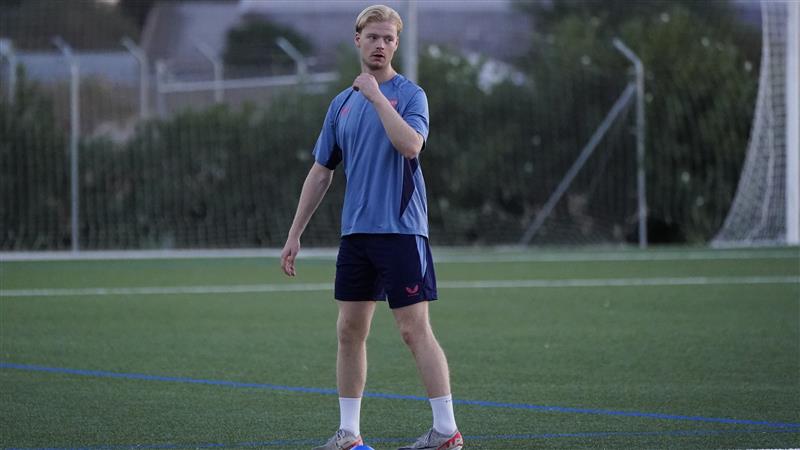
Sevilla FC D, the club’s international team, has added a new signing with the arrival of Sebastian Fineman. The Swedish forward has already joined the team’s ranks and experienced his first training sessions under the guidance of Óscar Olomo and his coaching staff.

“I’m feeling great. I’m enjoying the city and the team. There are good teammates and coaches. We have good chemistry. So far, I’m really enjoying it. It’s much warmer here than in Sweden. You know, back there it’s snow and all that during winter, but I like warm weather, so it’s not a problem for me,” he shared about his first impressions at the club.

The player has already set himself the goal of learning Spanish for a smoother integration, although he appreciates the positive atmosphere with his teammates and the coaching staff led by Óscar Olomo: “It’s a big change, of course. I have to adapt and try to learn a bit of Spanish so I can communicate with my teammates. We try to communicate with gestures and simple words, so it’s going well.”

Fineman, who describes himself as “a good finisher and a strong player,” acknowledges that playing for Sevilla FC is a great opportunity: “Being part of this means a lot. It’s a big club, and it’s a great chance for me to show what I can do on the field, and I hope everything goes well.” Finally, he highlighted that Jesús Navas is a source of inspiration for him: “He’s a true club legend, he’s done so much and is the face of the club, and I enjoy watching him play.”

Posted on Leave a comment

The 24-25 season kicks off at the Antonio Puerta Football School


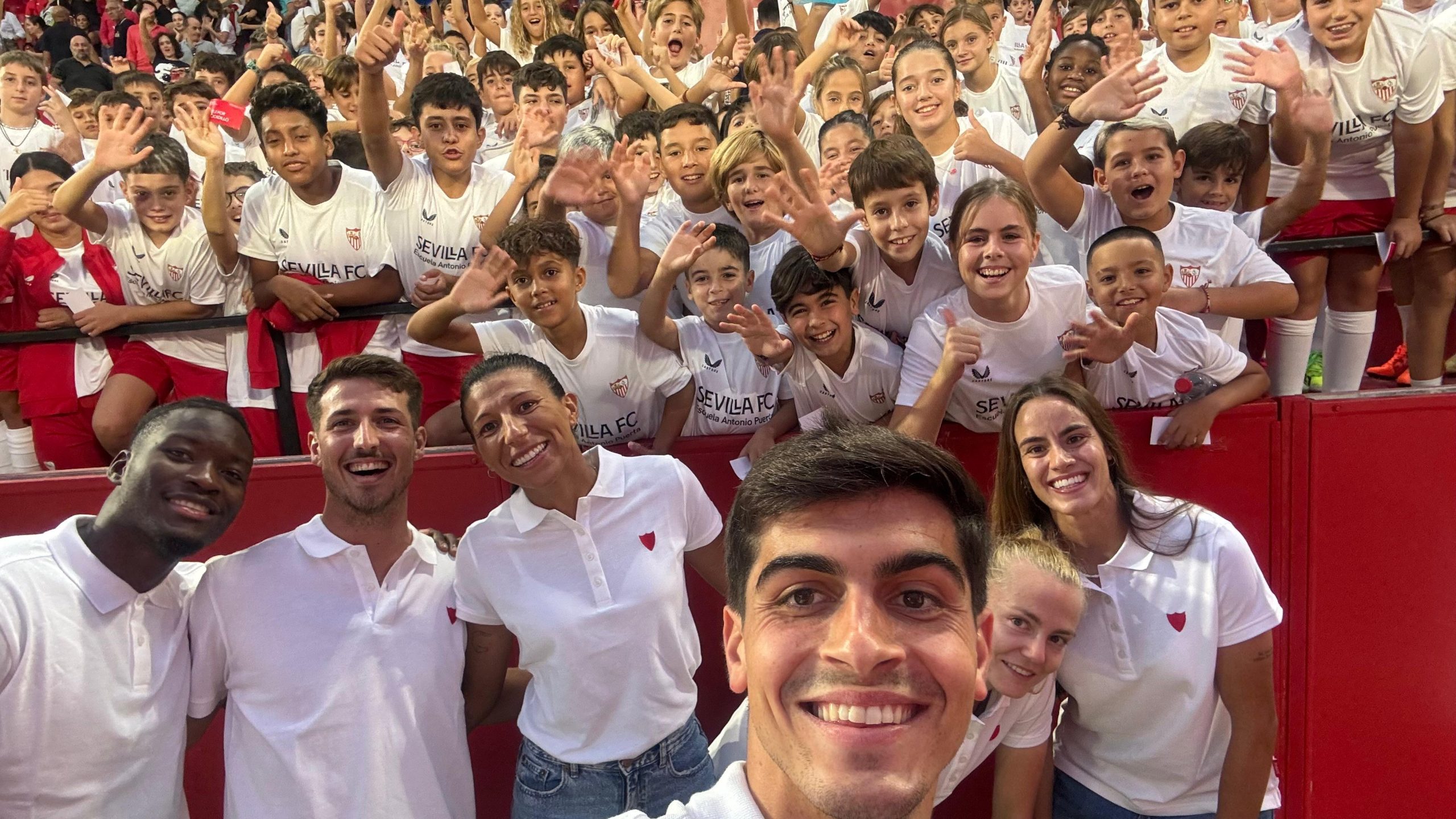
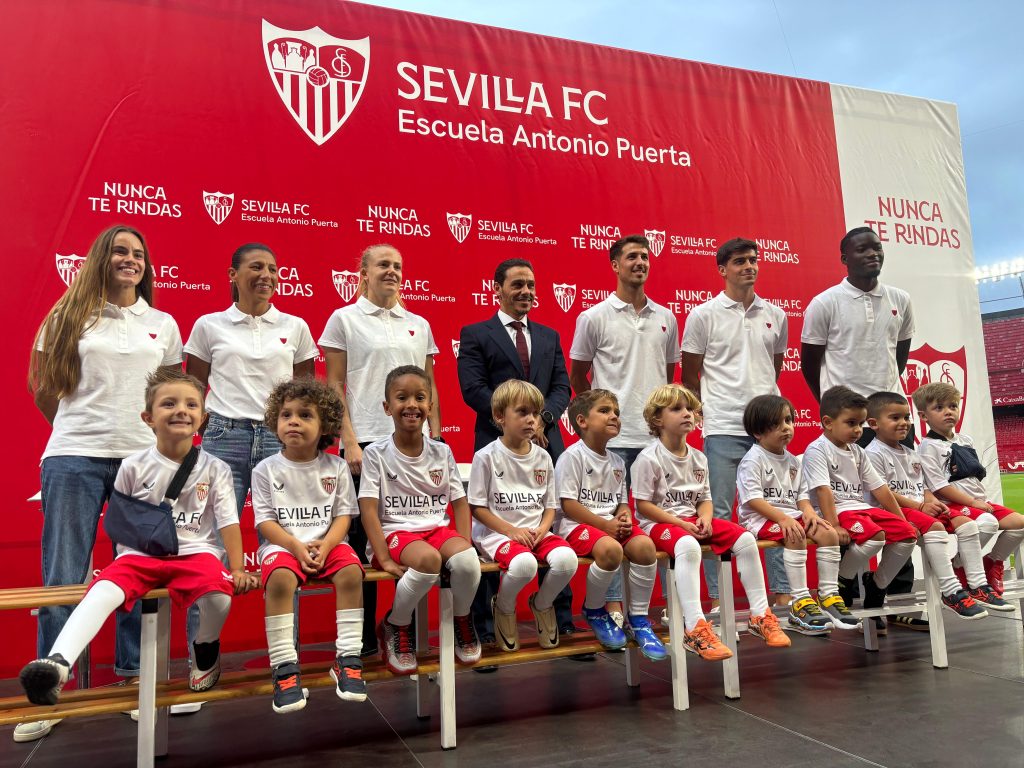
The Antonio Puerta Football School experienced one of its stellar events of the season yesterday, the inauguration ceremony for the new school year at the Ramón Sánchez-Pizjuán stadium. Hundreds of children gathered at Sevilla FC’s stadium to kick off a season filled with excitement, football, Sevillista values, and fun. The event was attended by Sevilla FC president José María del Nido Carrasco, players Juanlu, Agoumé, and Pedro Ortiz, as well as female players Esther Sullastres, Diana Gomes, and Pamela González. Numerous fun activities were organized for the students, along with a simple public presentation for the parents where the school’s operation was explained.

“We are entering the 16th year of the school that bears the name of our eternal number 16. A number that tells us very different things. As always, and above all, this school is the best possible tribute to our Antonio Puerta. At Sevilla FC, we remember him and keep him in our hearts every day, but I believe that through his name in this school, with his name on the lips of all these boys and girls, it is one of the most cherished things for Antonio, who I’m sure is watching you all with enthusiasm and pride. The second meaning of 16 is that these 16 years of this beautiful project mean it is more alive than ever, instilling wonderful values in our children: equality, fraternity, teamwork, education, and sport. You need to play sports and have fun, but also study and educate yourselves, because education will give you the freedom to choose,” the president told the students.

The event featured a mini football fair before and after the ceremony, with the main novelty being a magician’s performance, and as last year, a freestyle football show. Additionally, the children were able to tour the official bus of the first team. The final spots for enrollment in the 2024-25 school year are available through this link.

Posted on Leave a comment

The “Sevilla FC Goalkeeping Academy” is born, a new project under the auspices of the Innovation Center

The Sevilla FC Innovation Center continues to expand its training offer and has created a new project called ‘Sevilla FC Goalkeeping Academy’, an activity that will meet the need to provide technical, tactical, physical and psychological training to soccer goalkeepers. The training will be given by club technicians at the Ciudad Deportiva with the collaboration of the R+D+i Department, as well as other specific activities for coaches, players, business managers, medical staff and other soccer professionals.

This project was created as a technical-actification school for goalkeepers that will be based on the methodology that Sevilla FC uses in all its lower levels. It will be focused on categories from pre-benjamin to senior and will be open to individuals as well as clubs, schools and semi-professionals.

Through the ‘Sevilla FC Goalkeeping Academy’ the goalkeeper will be developed in all facets, both sporting (improving his performance and quality) and personal (improving his ability to concentrate and commitment to the club). In addition, the technical-tactical aspects of the goalkeeper will be worked on both individually and as part of a team, so that he can also develop in his collective facet, which is necessary to carry out his work within the group itself.