In a landscape that includes arguably the world’s two biggest clubs, Real Madrid and Barcelona, as well as the likes of Atletico Madrid, Valencia and Athletic Club, Sevilla have managed to achieve remarkable success since promotion to La Liga from the Segunda Division in 2000/2001.
The Cope del Rey, Spain’s premier cup competition, was won twice in 2007 and 2010, while the Supercopa de Espana was also claimed in 2007.
Where Seville have achieved astonishing success, however, is in the UEFA Europe League, and its predecessor, the UEFA Cup.
The Andalusian club have won the trophy a record seven times, and are the current holders after defeating Roma on penalties in last year’s final.
At the heart of this success has been a scouting network that for long was the envy of the rest of Europe, and the world.
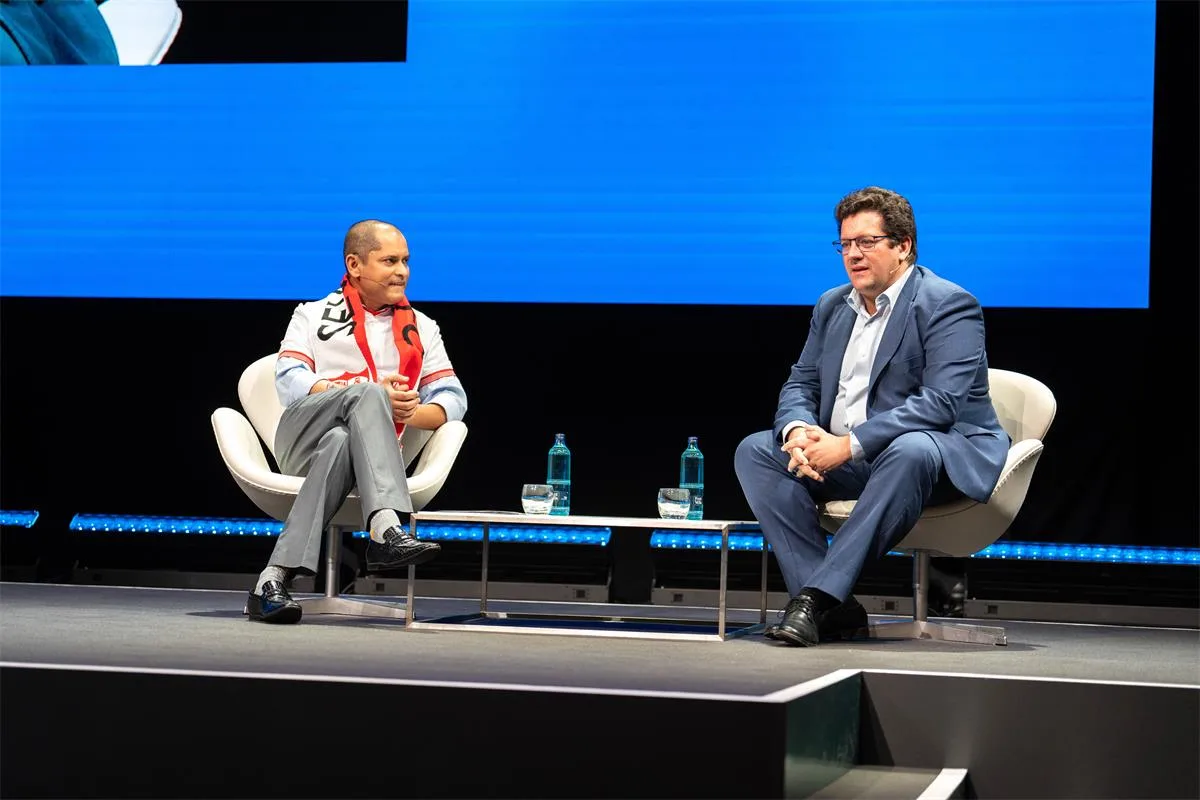
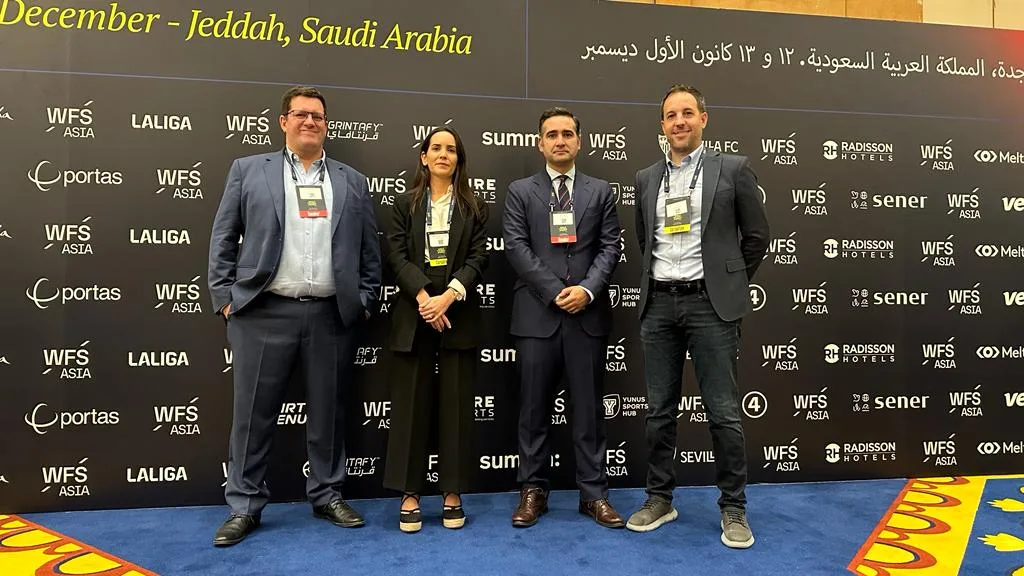
Speaking at the recent World Football Summit – Asia held in Jeddah, Sevilla’s Deputy General Manager Jesus Arroyo revealed how the club went from identifying some of the finest global talent via an intricate scouting system, to incorporating a new data-driven AI methodology in recent years.
It is strategy that he believes can help small- and medium-sized clubs in Saudi Arabia and the region compete with the big boys.
“One of our pillars in our strategic plan is innovation and knowledge,” he said. “Sevilla has the responsibility and commitment to try to share our knowledge, our experience with the rest of the football industry. Based on this vision, we have developed a (software) program where we try and achieve three main goals.”
“The first one is to try to develop the players,” said Arroyo. “We want to share our methodology with the players, with foreign players in order that they may grow with the methodology of Sevilla FC. We are talking about a club with tradition of more than 130 years.”
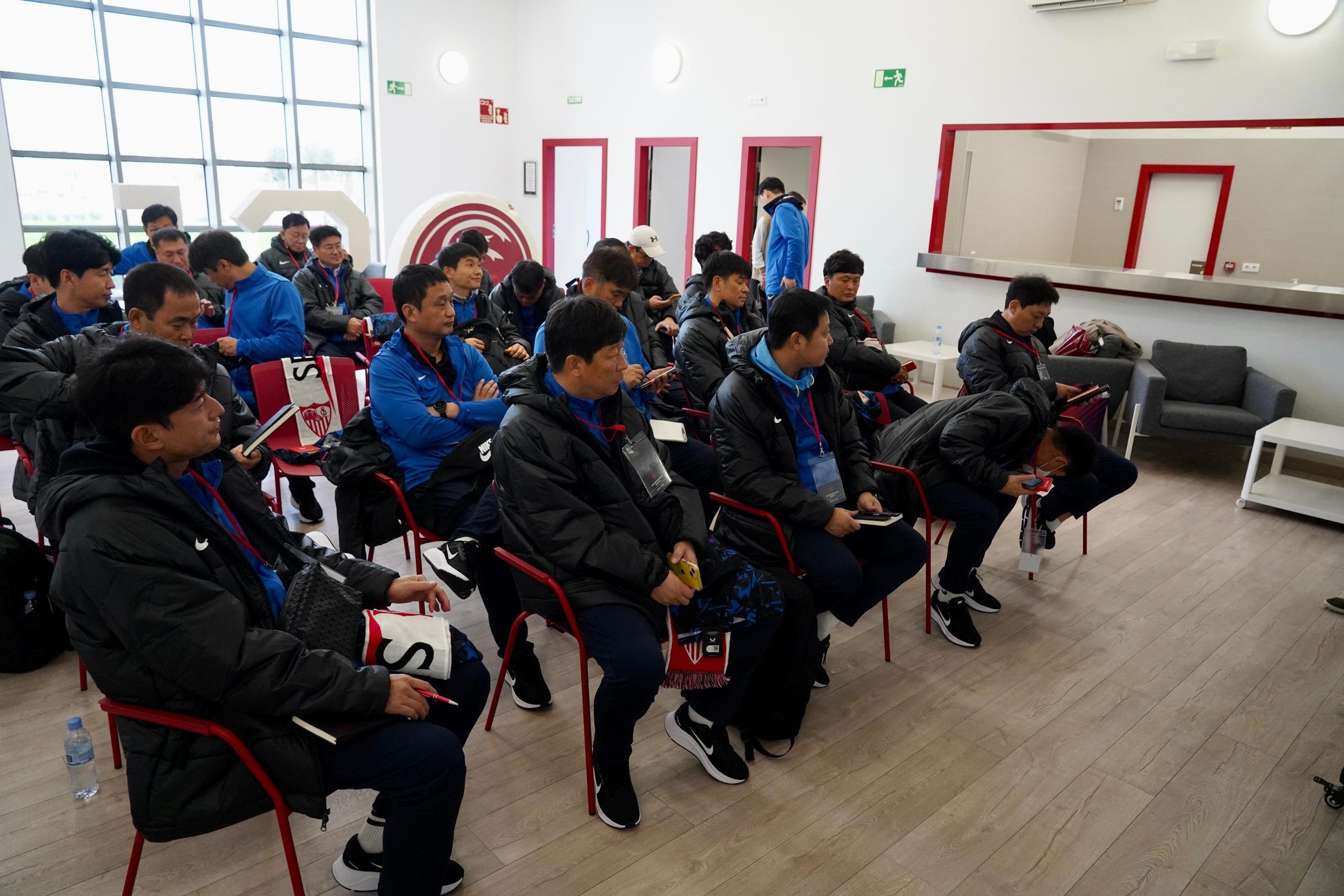
“The intention is to try and grow players with our methodology,” he said. “We have different programs. One program is to host players from other associations, for example, from Saudi Arabia. Come to Seville for a period of time, and we will provide a holistic service of training methodology, and some experience with first team to smell how important (being) a profession is.”
Arroyo revealed Sevilla’s intention to put together a team made up entirely of young foreign players, or trialists, next season.
“Of course we follow the rules of transfer of minors under 20,” he said. “But it’s not a matter of transfers, it’s not a matter of money. It’s a matter of sharing our knowledge with the players.”
The second pillar, according to Arroyo, provides training programs for coaches from around the world in the processes set in place at Sevilla, from the youth teams all the way up to the first team.
“Finally, the third pillar is to try and engage clubs and federations, where we can have a consultancy program partnership to grow in knowledge, in business, in sport.”
“If I had to highlight it on one sentence, it is a clear commitment of the club to share our innovation and to share our knowledge with the football industry,” said Arroyo.
From the early years of the 21st century, Sevilla established one of world football’s finest scouting systems, identifying young talent in Spain and from around the world, and developing them into world class players at the Ramon Sanchez Pizjuan Stadium. The big clubs would then come calling for the likes of Danny Alves and Sergio Ramos, and the club would repeat the cycle all over again.
However, as wide-ranging technical scouting departments for clubs became the norm, Sevilla had to innovate again to differentiate themselves from the pack.
“Five years ago, we asked internally how can we grow?” said Arroyo. “And we have a very clear (answer) that we had to do something else, something different. The answer was, we have to use the technology. We have to use the technology to do the same process, and the new process, in a very efficient way.”
“That means that, for instance, we apply technology on the ticketing side, or we apply the technology in order to mix the objective data provided by the performance of the players on the field, but also the subjective information that our scouts provide through the players.”
Elias Zamora, Sevilla’s chief data officer, does not have a football background — in true “Moneyball” tradition. He comes from “science, physics and mathematics” and before football, was involved in the stock market, where he developed financial algorithms.
In 2019, Zamora met with Arroyo, CEO Jose Maria Cruz, and Sevilla’s board of directors to map out the club’s transition into the tech age, and then in 2021, he was named chief data officer.
“So the question is, if we don’t do anything, if we just do the same as other people, we are going to get the same result of other people,” he said.
“And the results are typically dependent on money. The more money you have, the better results you’ll get, if you don’t do anything special. So because we don’t have more money than others, we have to do things in different ways in order to try to get a competitive advantage.”
“This was the idea. When I speak about data, let us speak about information. Information is directly under Jesus (Arroyo), and under the CEO, which means that we use information not just for business, not just for a sport, but we try to use data, that is information, for all the key areas of the club.”
That includes the fundamental areas of ticketing, sponsorships, marketing and retail.
With a team of more than 25 professionals dedicated to research and development, Sevilla have the biggest data department in continental European football, says Zamora. Using the software “AI Football,” they have one of the most advanced in the world as well.
“We have the capacity of developing our own technology. So we are the first club in Spain, for example, that was able to provide technology to La Liga, and not the (other way round).”
If embraced, Sevilla’s methodology can have a wide-ranging impact for clubs in the Middle East and Asia.
The revolution that swept through Saudi Arabian football over the last year has brought some of the world’s best players to the Kingdom’s elite clubs. However, those outside the “Big Four” of Al-Hilal, Al-Nassr, Al-Ahli and Al-Ittihad, must find other ways to compete.
Zamora reiterates Arroyo’s belief that Sevilla’s strategy could be the answer.
“This because we have our own team that is developing software and technology for our internal questions. And sometimes our internal questions are also the same questions as a club in Saudi Arabia, a club in Morocco, a club in Asia can have.”
“We are completely open to share this knowledge and to help (all clubs).”