Posted on

The Innovation Center launches a new edition of its official training programs for football coaches

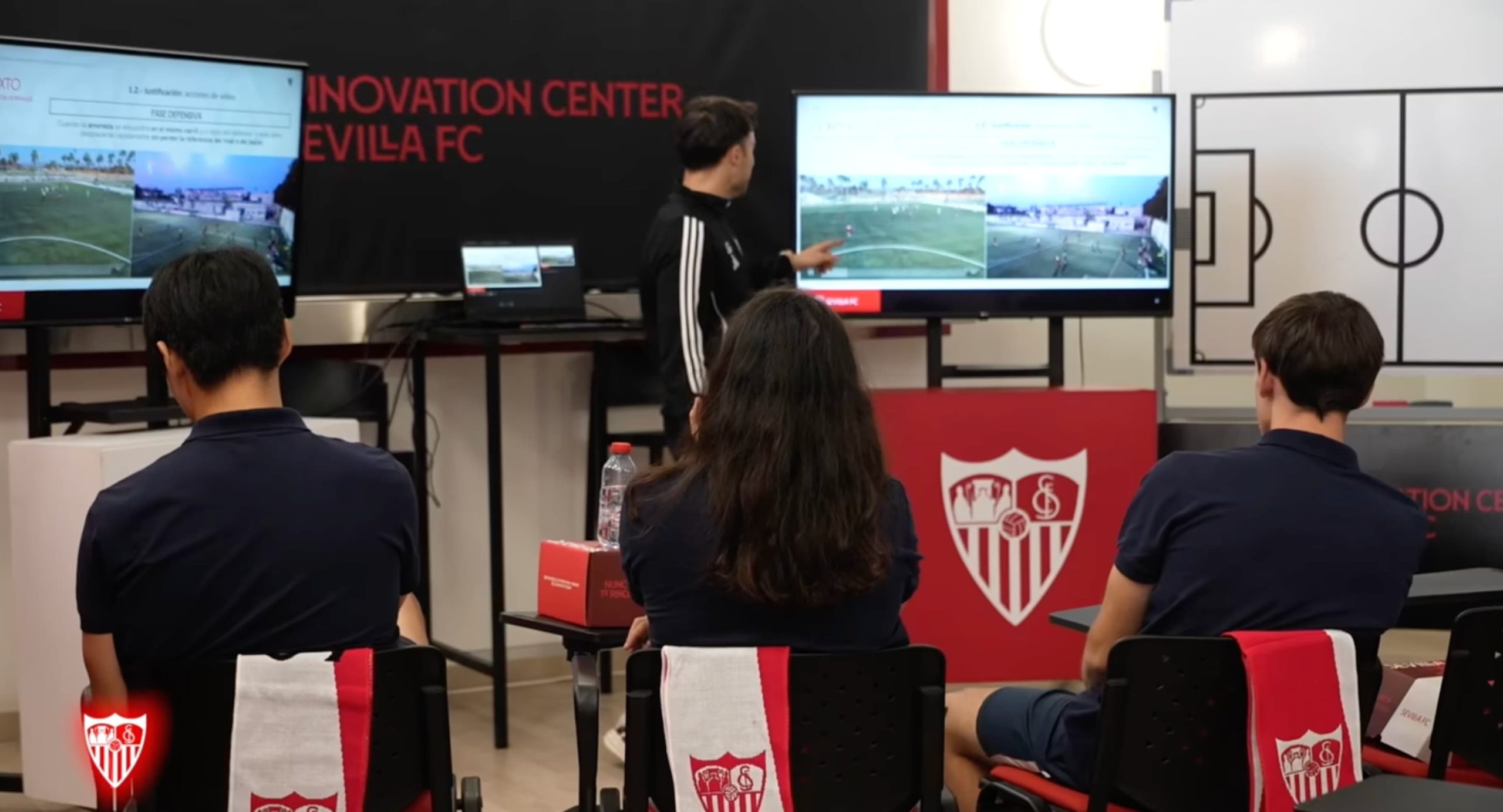
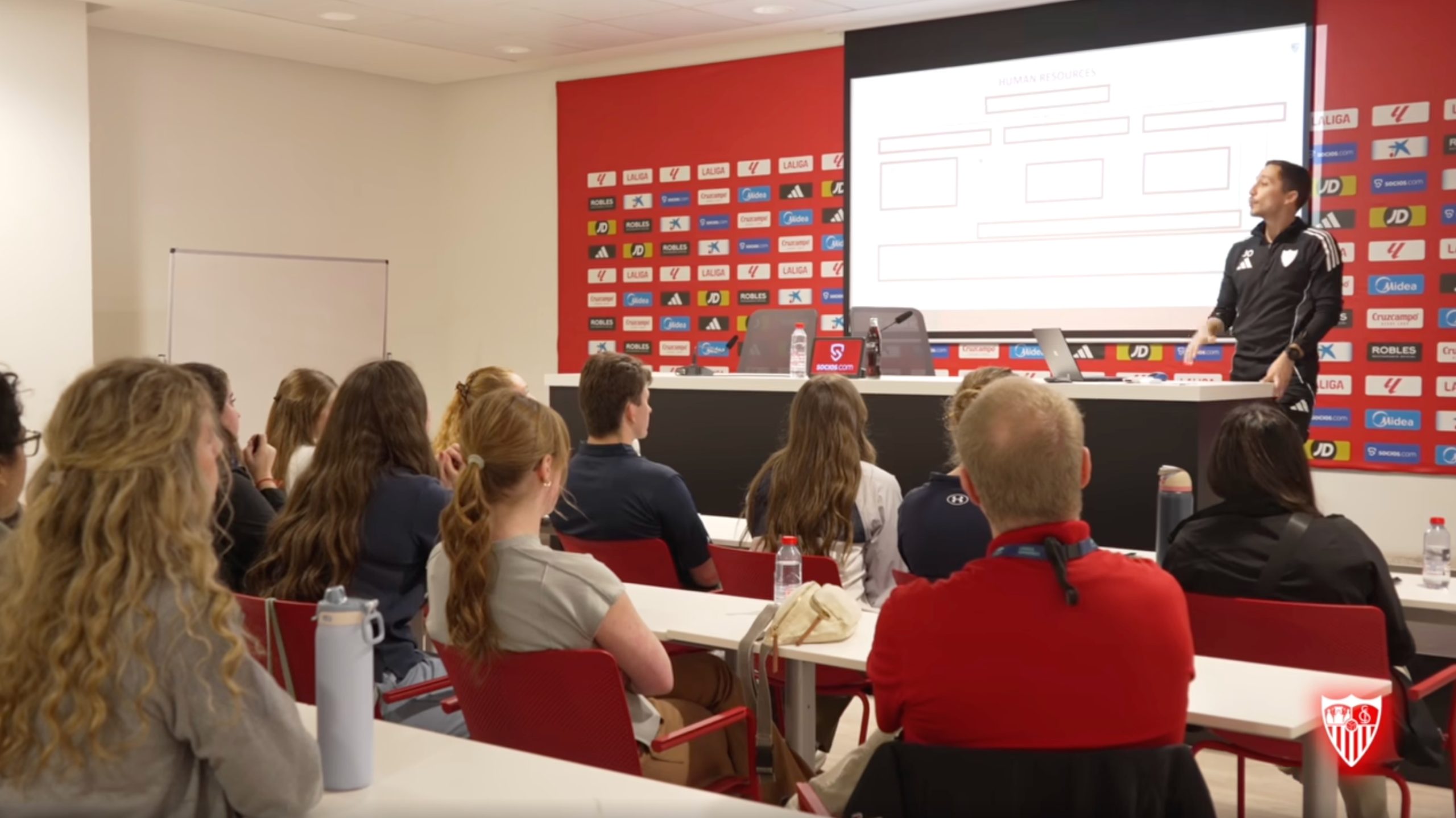
Following the success of previous editions, the club’s training center will launch during the next academic year the third edition of the Intermediate Level – Initial Cycle of the Football Coaching Technician program, the second edition of the Intermediate Level – Final Cycle, and, as the main new feature, the debut of the Advanced Level Football Coaching Technician program, the highest official qualification that a football coach can obtain in Spain.

This initiative is part of the constant growth of the club’s academic area, which in recent years has strengthened its position as a benchmark in innovation, technology, and football-focused education.

The Intermediate Level – Initial Cycle is aimed at individuals who wish to begin a career in football coaching and teaching, acquiring the necessary skills to work in youth development and introductory sports training stages. Meanwhile, the Intermediate Level – Final Cycle will allow students to deepen their technical and tactical understanding of football players, advancing their preparation as coaches.

The major new development of this edition will be the launch of the Advanced Level Football Coaching Technician program, a course that qualifies students to plan and manage training sessions and teams in medium- and high-level competitions, as well as coordinate football academies and sports projects. In addition, this qualification allows graduates to apply for the federation coaching license required to coach in all categories of Spanish football.

The training programs will be delivered in a professional and highly specialized environment, with access to top-level facilities and a faculty composed of professionals linked to elite football and the Sevilla FC ecosystem.

With this new edition, the Sevilla FC Innovation Center reaffirms its commitment to education, innovation, and talent development within the football industry, offering future coaches an academic experience directly connected to the reality of professional sport.

Registrations will open soon.

Anyone interested in joining this new edition can already request information and resolve any questions by writing to the Innovation Center email address: [email protected]

In addition, they may complete their registration through the official form available on the Sevilla FC Innovation Center website. Click here.

Posted on

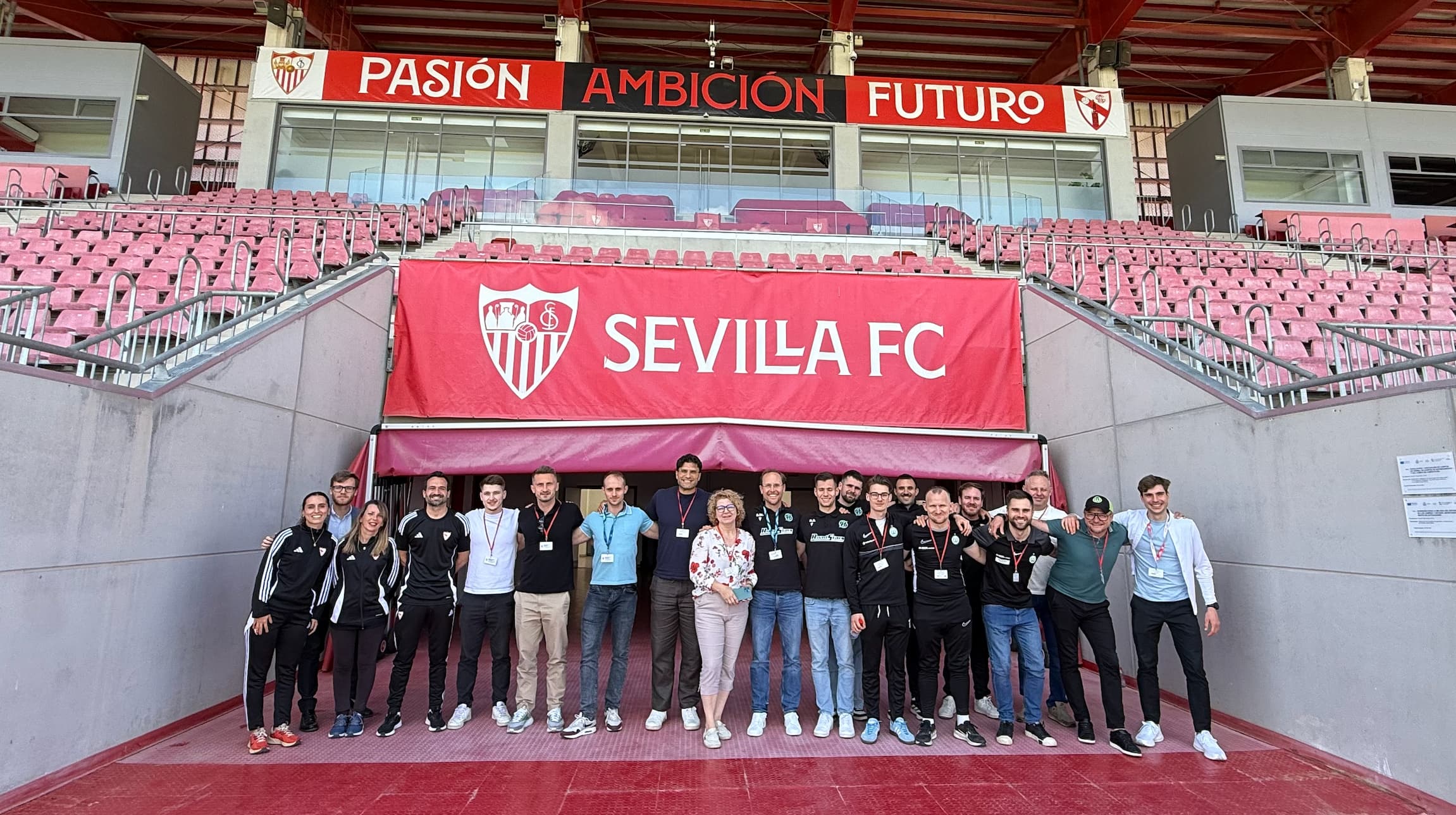
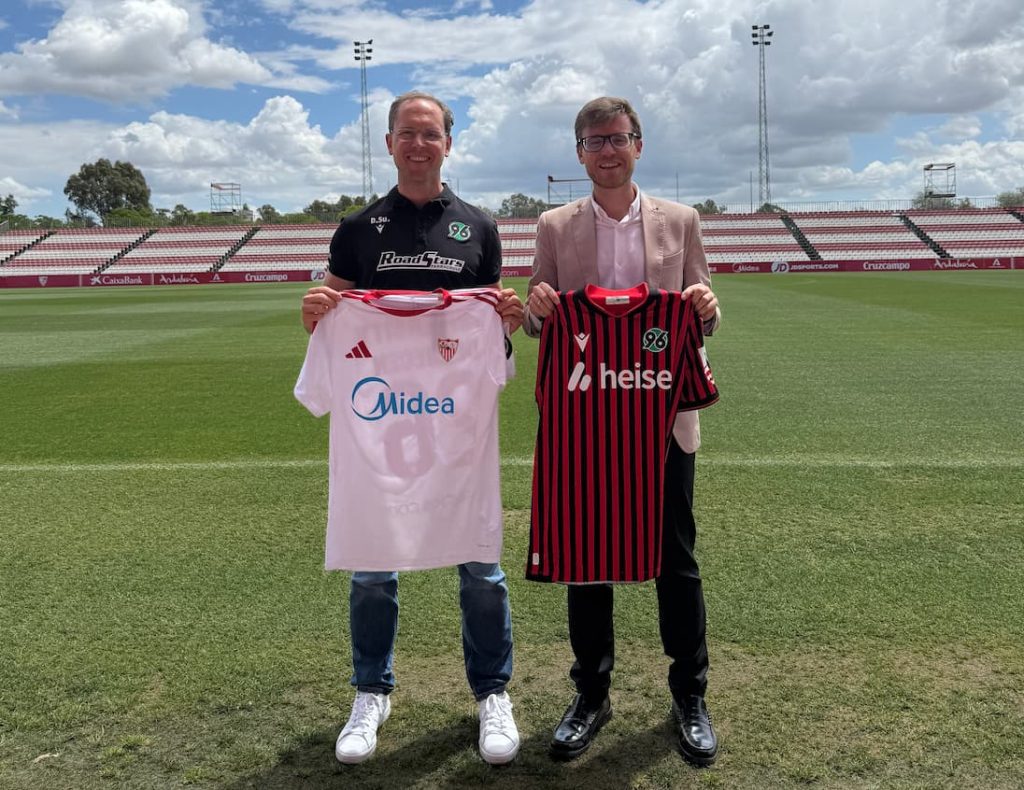
Sevilla FC Hosts the second transnational meeting of the European BIO-AGE 2.0 Project

A High-level technical and scientific meeting.

The first day began with a project status presentation and an online session on the BIO-BANDING Tournament, delivered by German partner Borussia Dortmund. This was followed by a central session led by the Polish Football Association (PZPN), consisting of both a presentation and a practical workshop under the title “Player-Centered Approach in the Polish Football Association Development System.” The session explored current challenges in youth football, differences between early and late maturation, and practical tools to help coaches manage maturational diversity within their squads.

The afternoon was especially significant for the host club. Sevilla FC presented its talk “Player Development at Sevilla FC: 26 Years of Experience and Evolution,” delivered by Julián Andrés Cabrera and Mercedes Valiente. The presentation highlighted the depth of Sevilla FC’s player development model and its ability to adapt to the various stages of individual and collective player growth. The day concluded with a visit to the Ramón Sánchez-Pizjuán Stadium.

Second Day: Recommendations, behaviour models, and next steps.

The second day focused on consolidating the consortium’s collective work. Warta Poznań and Hannover 96 presented progress regarding the psychological aspects of developing players with different maturation rates. Afterwards, the consortium worked on recommendations and case studies for the practical guide aimed at coaches, one of the project’s key deliverables.

MSH Medical School Hamburg presented the application of the COM-B Model as a framework for identifying entry points for implementing biological maturation into daily football practice. The meeting concluded with a planning session covering upcoming tasks and timelines for the coming months, before participants visited Sevilla FC’s training facilities.

The role of the Innovation Center.

Hosting TPM2 in Seville further strengthens the role of Sevilla FC’s Innovation Center as a European hub for innovation in youth football development. The club not only participates as an active partner throughout all three project phases — methodology, implementation, and dissemination — but also contributes its own expertise accumulated over decades of player development work, backed by tangible results in professional football.

BIO-AGE 2.0 promotes a fairer and more inclusive talent identification and development model, in which biological maturation — rather than chronological age alone — guides decisions related to selection, training, and scouting. This approach naturally aligns with the philosophy of the Innovation Center: science-based innovation applied to real football environments.

The project will continue until 2028. The next transnational meeting will take place soon, according to the consortium’s agreed schedule.

More information about the project: bio-age.eu

Would your club or institution like to learn more about BIO-AGE 2.0 or explore potential collaborations with Sevilla FC’s Innovation Center? Contact us at [email protected]

Posted on

UCAM visits Sevilla FC to deepen the integral knowledge of the athlete

The Innovation Center of Sevilla FC recently received a visit from UCAM students, who participated in a training day held at the club’s facilities with the aim of bringing the reality of professional football closer to future specialists in performance and physical preparation.

During the visit, the students were able to learn firsthand about different work methodologies applied in the high-performance environment, as well as the processes linked to the preparation, monitoring, and readaptation of the athlete within a professional structure such as that of Sevilla FC.

The day was especially focused on the importance of continuing to understand the athlete beyond physical performance, addressing an integral vision of the player in which factors related to health, workload, recovery, and individualized development intervene.

In addition to touring different areas of the club, the students shared sessions with Sevilla FC professionals, generating a space for knowledge exchange and applied learning that reinforces the bond between the university and professional football.

With initiatives like this, the Sevilla FC Innovation Center continues to consolidate its commitment to innovation, specialized training, and the transfer of knowledge, offering academic experiences connected with the real needs of elite sports.

Posted on

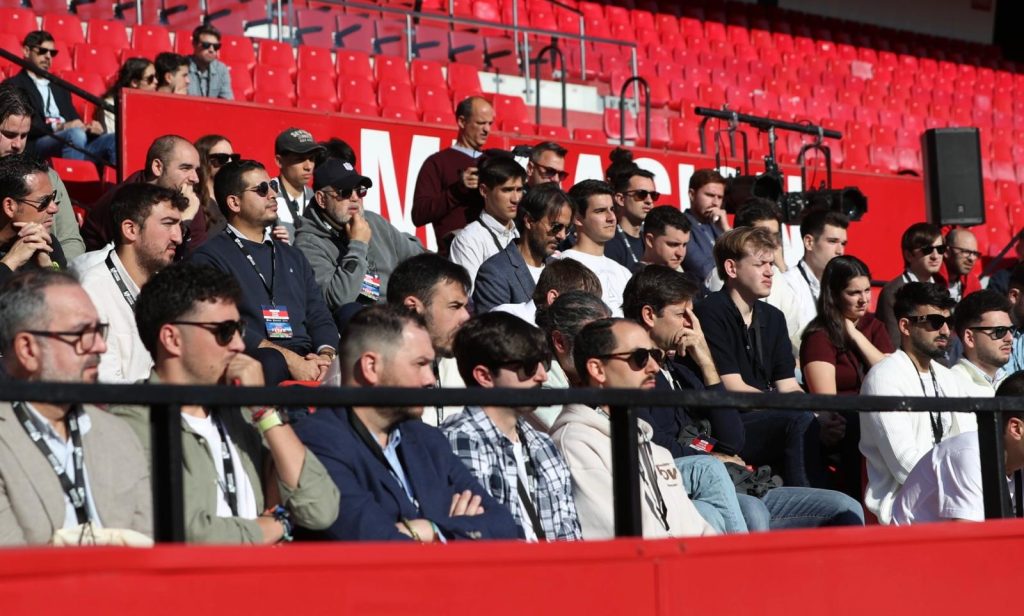
The Sports Data Forum 2026 turns the Ramón Sánchez-Pizjuán Stadium into the epicenter of innovation and data analysis in football.

The event began with an institutional opening, highlighting the growth of the forum over its ten editions and its role as a space connecting industry, knowledge, and innovation in football. From there, the program provided a comprehensive overview of how data has become a key element in sports decision-making.

Throughout the different sessions, industry experts explored the impact of advanced analytics on performance. Notably, Roberto del Campo focused on decision-making in football through data, while a dedicated panel examined data as a tool serving the game in modern football, addressing its practical application in competitive contexts.

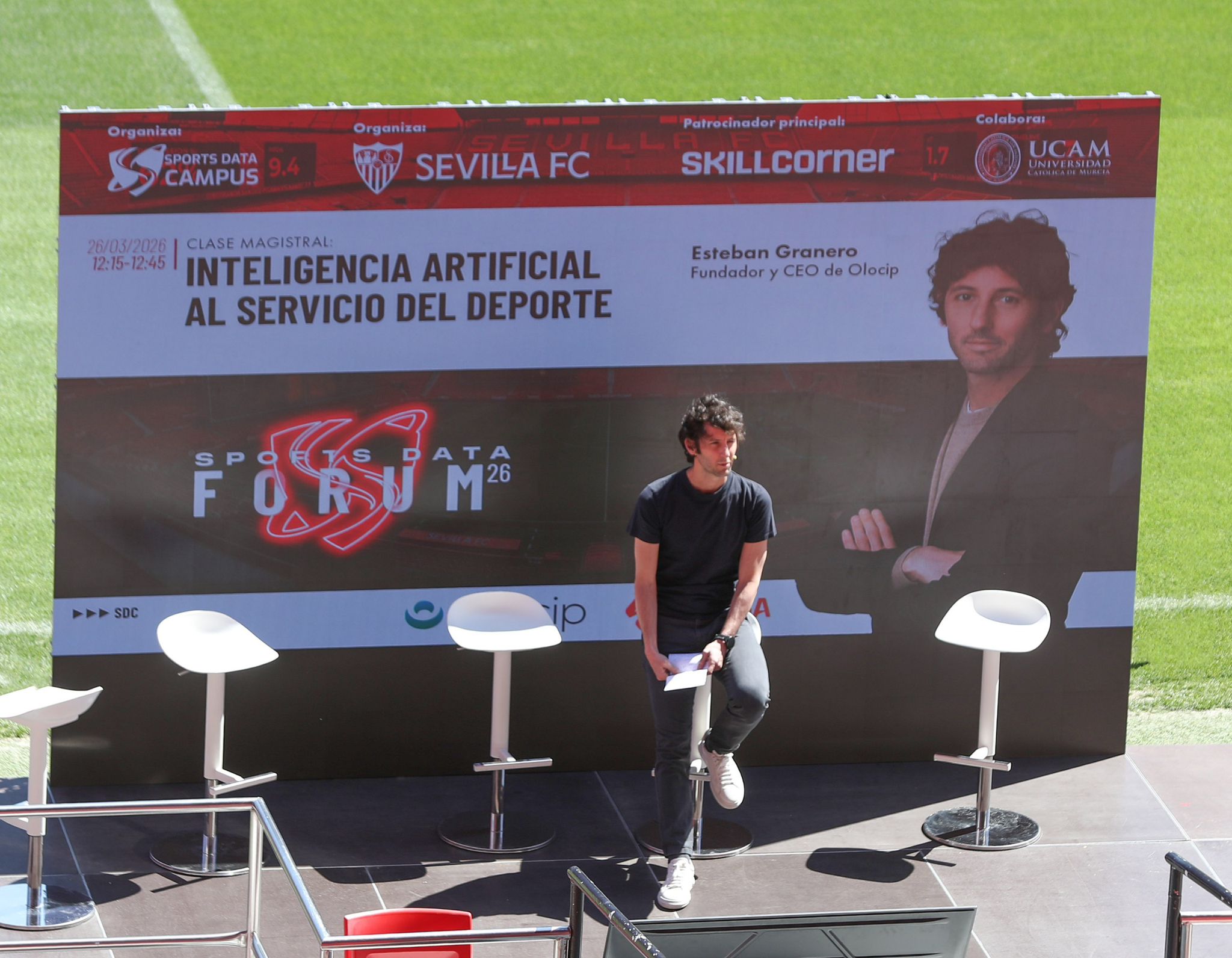
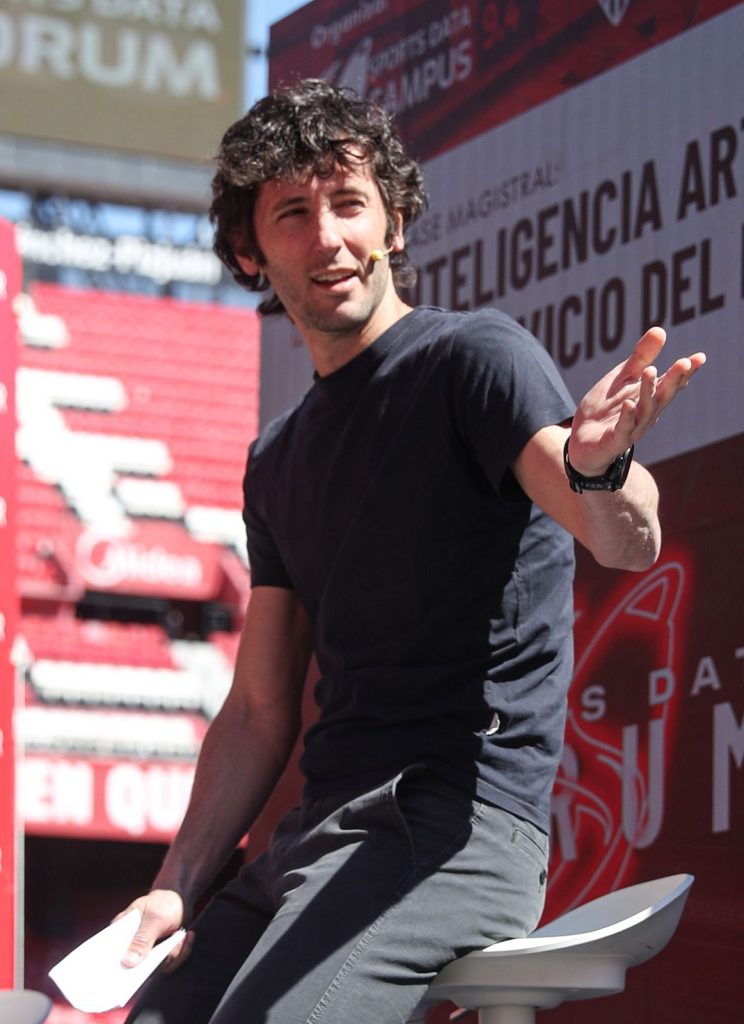
Technological innovation was another of the forum’s main pillars. Esteban Granero analyzed the role of artificial intelligence as a competitive advantage, while SkillCorner presented automatic tracking solutions and advanced metrics, demonstrating how automation is transforming performance analysis.

The on-pitch perspective was represented by César Azpilicueta, who emphasized the importance of data and video analysis in professional football, offering insights from the experience of an elite player.

The forum also expanded its scope to other sports with the participation of Damián Quintero, marking a milestone as the first non-football athlete to take part. The Olympic karateka addressed the relevance of data analysis in high-performance sport, showing how these tools are equally decisive in disciplines beyond football and reinforcing the idea that data has become a key transversal element across the entire sports ecosystem.

Technical sessions also featured specialized companies such as Once Sport, focused on video recording and analysis, and Veo Technologies, which presented new perspectives on integrating video and data as a single tool for different sporting realities.

The forum also highlighted its educational role and connection with the industry through a session on the bridge built by Sports Data and the Sevilla FC Innovation Center between talent and clubs, emphasizing the importance of creating opportunities for future professionals in the sector.

The event concluded with a closing interview session featuring Alberto Edjogo, Javi Martínez, and Josele González, who reflected on the data analysis revolution from a footballer’s perspective, offering a comprehensive view of the evolution of the game and its relationship with technology.

With this edition, the Sports Data Forum 2026 reaffirms its position as a benchmark event in the sports industry, where innovation, knowledge, and data analysis are consolidated as fundamental pillars in the development of present and future football.

Posted on

Data as a key tool at the service of the game in modern football

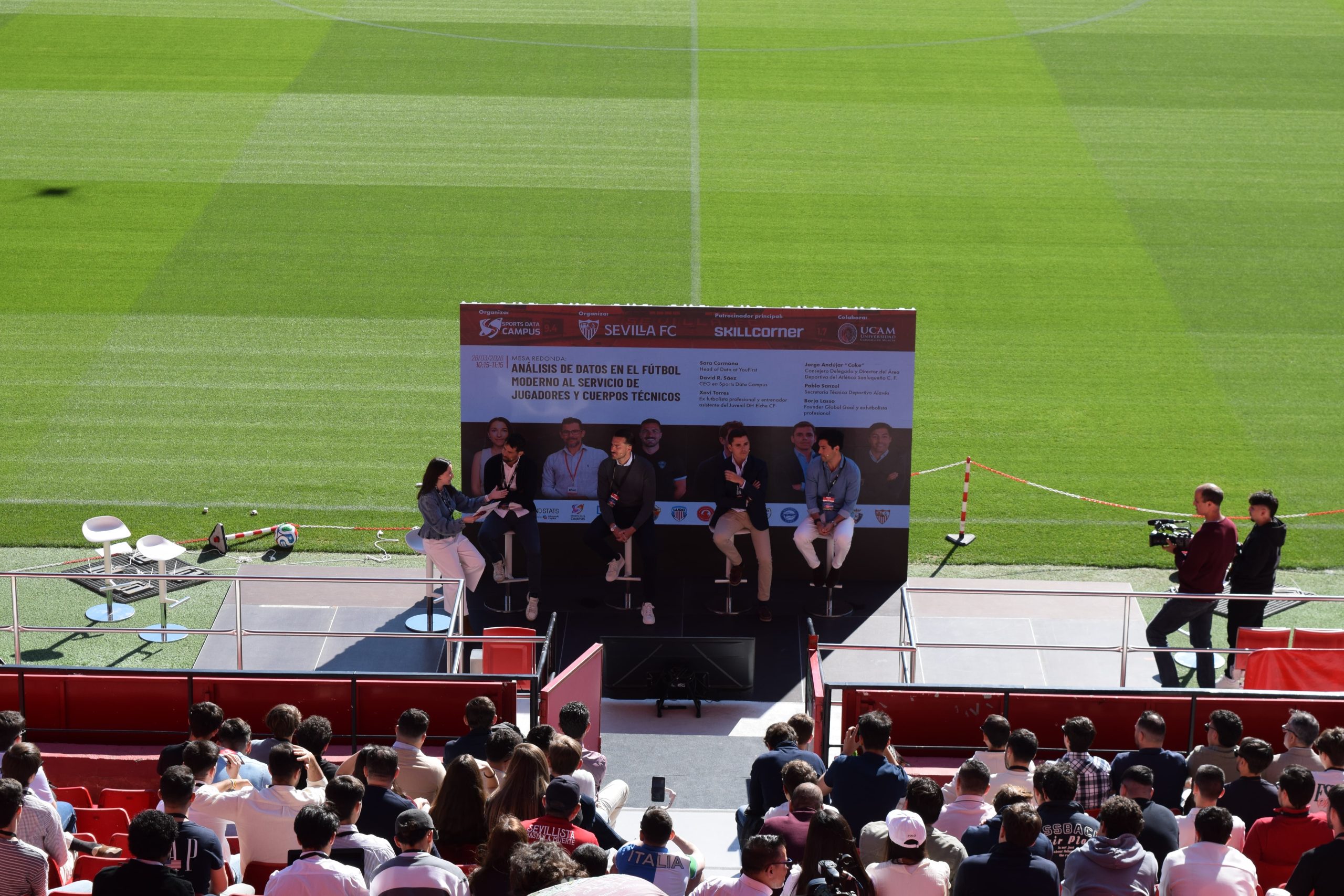
The round table “Data Analysis at the Service of the Game”, moderated by Sara Carmona (Head of Data at YouFirst) and David R. Sáez (CEO of Sports Data Campus), brought together diverse profiles such as José Ramón Sandoval, Miguel Ángel Ferreira (Sporting CP), and Ibai Gómez, aiming to provide a comprehensive perspective on the role of data in professional football.

The discussion explored different approaches and helped bridge the potential generational gap, showing that all roles within the game share a common language: performance-driven analysis.

From a coaching perspective, Sandoval emphasized that data should not dehumanize the player, highlighting a key idea: “data is a narrative.” For him, competing without data is no longer possible, but its true value lies in interpretation and context, ensuring that information is filtered to avoid player overload. He stressed the importance of adapting insights to both individual and team contexts, using data as support for decision-making and communication within the squad.

Meanwhile, Miguel Ángel Ferreira provided a more structural view of data usage within a club. He explained how data was first introduced in the scouting department, later evolving into a dedicated analysis unit capable of producing reports that deliver actionable insights for both players and the club. Today, data is also applied in areas such as load management, injury prevention, and physical performance monitoring, becoming an integral part of daily operations.

From a hybrid perspective, Ibai Gómez highlighted the importance of data in his transition from player to coach. His methodology relies heavily on both opponent and self-analysis, supported by a technical staff with specialized data roles. His playing experience also allows him to better understand the emotional context of the dressing room, promoting clear, accessible communication where data enhances rather than restricts player creativity.

Overall, the round table reinforced the idea that data is not an end in itself, but a tool that serves the game. Its real value lies in the ability of professionals to interpret, contextualize, and communicate it effectively, always respecting the essence of the player and the dynamics of football.

Posted on

César Azpilicueta highlights the importance of data and video analysis in modern football

César Azpilicueta began his career in the youth academy of Club Atlético Osasuna, making his debut at 17 years old in the Copa del Rey. Since then, he has witnessed a significant evolution in the use of data analysis, moving from basic tools to full monitoring of players and their performances.

For César, data is key for analyzing opponents, allowing teams to identify advantages that can be decisive in a match. He also combines this information with video analysis, focusing especially on players in their opponents’ zones. In his experience, data also helps corroborate performance after games or generate discussion in cases of conflicting opinions. The key is to find a balance between objective and subjective information, avoiding data overload.

Image description
Azpilicueta has played in multiple positions and encourages his teammates to experiment in different areas, discovering new strengths. He himself started as a forward and, over time, has occupied roles such as right-back or center-back, both in three- and four-man defensive lines. Video analysis is essential for identifying the details that motivate these positional changes.

Finally, César emphasizes that the most important aspect of analysis is to provide context to the information, ensuring it is clear, concise, and progressive to properly measure development and the implementation of strategies.

Posted on

SkillCorner transforms football analysis with automated tracking and advanced metrics

French company SkillCorner, established in 2016, has become a global reference in football data analysis thanks to its fully automated broadcast tracking system, capable of capturing data without any human intervention.

With coverage of over 130 competitions, including the Premier League, MLS, and even the NFL, the company stands out for the high reliability of its data and its continuous technological development.

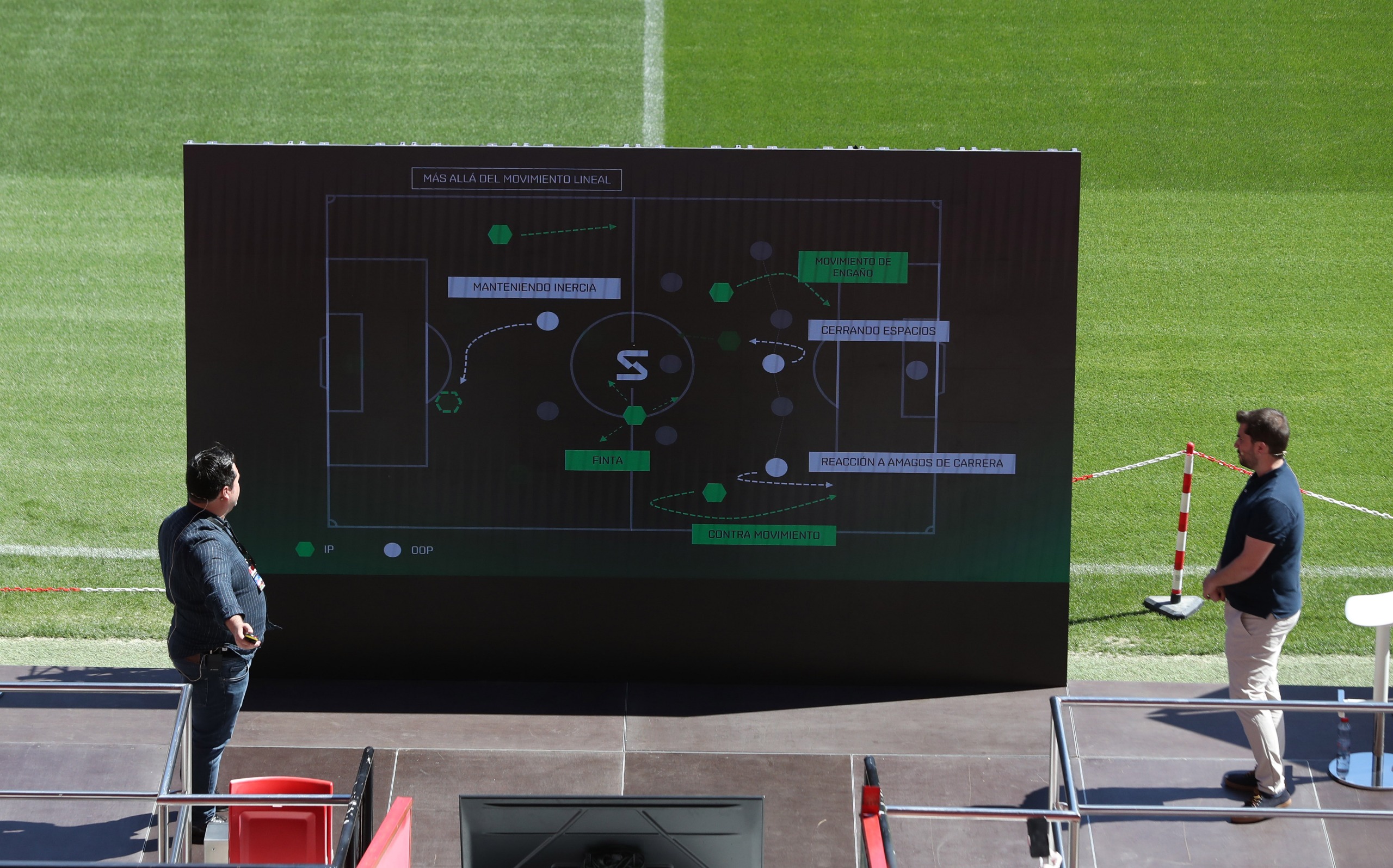
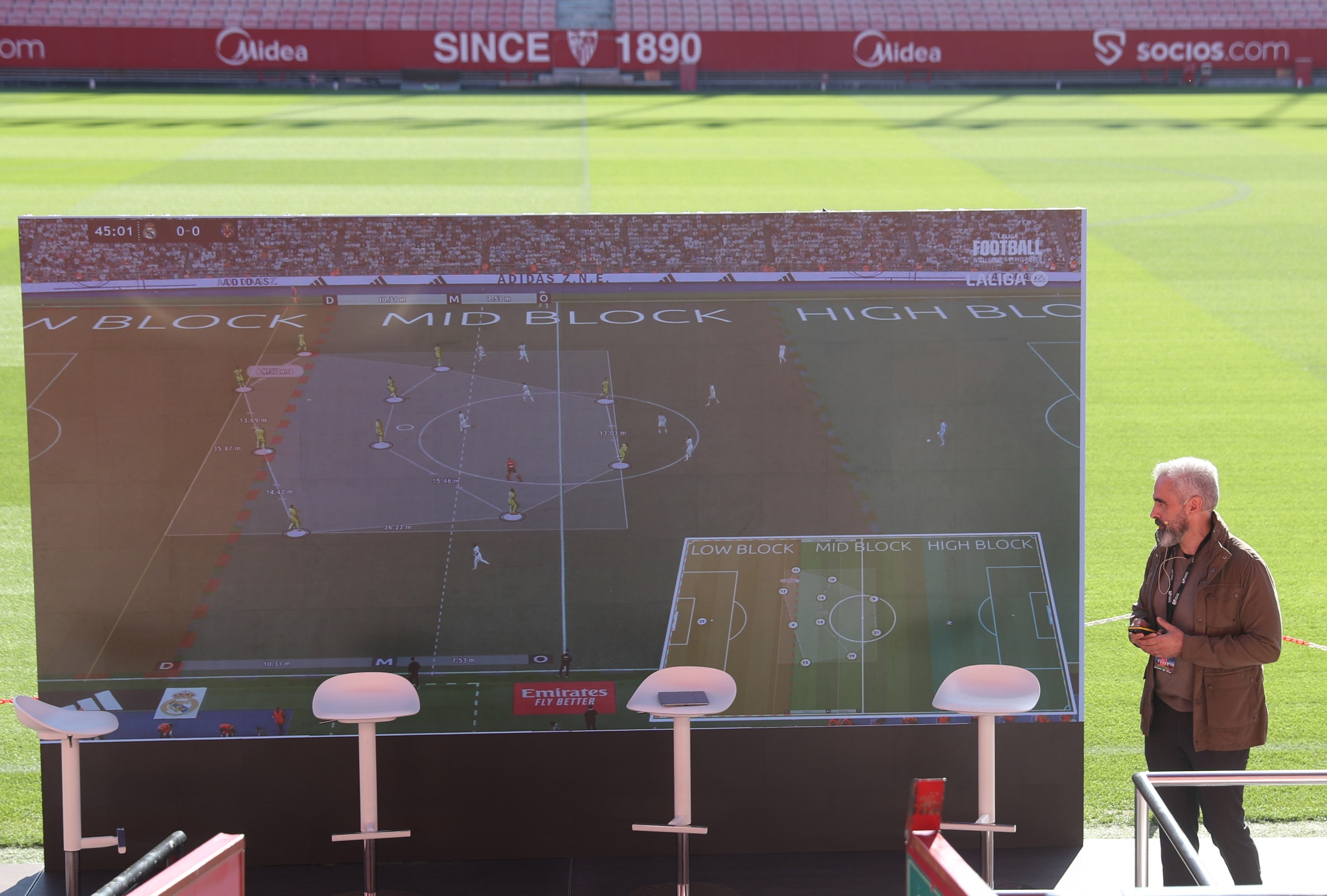
Unlike traditional providers focused on events such as passes and receptions, SkillCorner adds a new analytical layer based on game context, detecting in real time elements such as passing lanes, off-ball runs, and parallel movements, both in offensive and defensive phases.

Its model is structured around three main data categories: physical data, game intelligence, and XY tracking, enabling a comprehensive performance analysis. Among its most innovative metrics are explosiveness, time to reach sprint speed, and agility, with a strong focus on change of direction, including feints and deceptive movements, going beyond traditional linear analysis.

Additionally, the platform evaluates performance through volume and intensity, providing detailed rankings, percentiles, and advanced contextualization of each action. This enhances accuracy in defining player profiles, reducing talent loss in scouting processes and improving the identification of specific roles, such as the explosive winger profile.

In off-ball situations, SkillCorner also delivers valuable insights by contextualizing actions such as pressing, duels, and movements that break defensive lines.

From a scouting perspective, the platform enables recruitment simulations, allowing users to filter players by profile, league, or playing style, while incorporating cross-competition and multi-season comparisons. Each selected player can be supported by an automated visual report, generated from XML data, summarizing key attributes within real match scenarios.

Looking ahead, the company is set to introduce major updates across its three core areas, including a new approach to measuring maximum speed and further development of “playing under pressure 2.0”, expanding analysis levels and contextual depth in pressure situations.

Posted on

Esteban Granero, Artificial Intelligence as a Competitive Advantage in Football Decision-Making

He begins by explaining his early interest in data, which emerged after suffering a serious knee injury. He has a particular focus on the transfer market, both from a sporting and financial perspective, seeking potential profitability.

He outlines his view of the club as a business tool, where players are treated as assets to be bought and sold. In this context, he sees technology as an opportunity to make the entire process more efficient. Olocip was born from the research of this approach, evolving over the past 10 years into the company it is today.

From a human perspective, the goal is to mirror the process carried out by artificial intelligence: observing, understanding patterns, and attempting to predict what may happen in the future, always considering the possible pathways ahead.

By combining data with predictive models, it is possible to reduce uncertainty, placing greater emphasis on future projections rather than solely on past data—although these predictions are not infallible. There has been a significant evolution in data collection, from manual observation in earlier stages to today’s automated and autonomous systems, where cameras and image-based technologies capture detailed information.

Once the data and algorithms are developed, Olocip creates tailored solutions for its clients based on their specific needs. It is important to emphasize that these tools are not designed to replace human decision-making, but to support and enhance it.

Additionally, artificial intelligence helps improve accessibility and interaction in a more efficient way, significantly enhancing the user experience. As a result, information can be presented more clearly, allowing clubs to access it in a more intuitive and engaging manner.

The goal of AI is not merely to describe information, but to explore ways of providing solutions and increasing the reliability of decision-making processes. AI serves the sports industry and must continue to adapt in order to gain the trust and support of those who are still distant from it. It holds enormous potential, although it also has certain limitations.

Even so, its evolution is exponential, and it will gradually begin to perform tasks that currently seem unthinkable. Those who understand how to use AI and recognize its importance will find it easier to continue developing professionally, while those who do not may gradually fall behind. Ensuring access to information will be key to avoiding significant disparities between individuals.

Posted on

Roberto del Campo explores decision-making in football through data analysis

Roberto del Campo delivers a session focused on the importance of data applied to training and its direct impact on performance, highlighting that while squad quality influences results, it is the daily processes that make the difference between teams with similar characteristics.

During his presentation, he emphasizes that data informs, but it is the coach who ultimately makes decisions, underlining the importance of interpretation and contextual understanding in professional football.

He also introduces the concept of “TAC ROM” (Tele Assistant Coaches), inspired by VAR, proposing a system that could support coaching staff in real-time decision-making from the bench.

From a technological perspective, he highlights the differences between GPS and tracking systems, stressing the need to correct discrepancies, apply scientific methods and reduce data bias.

Roberto del Campo also focuses on the need for individualized analysis, explaining that football demands vary depending on position, physical profile, opponent, playing style and match context, requiring tailored approaches.

He concludes by stating that comparison in football is complex and must always consider the context of the game, emphasizing that data alone is not enough without a proper methodology. In this regard, he notes that data does not change the cards you are dealt, but it does change how you play them.

Posted on

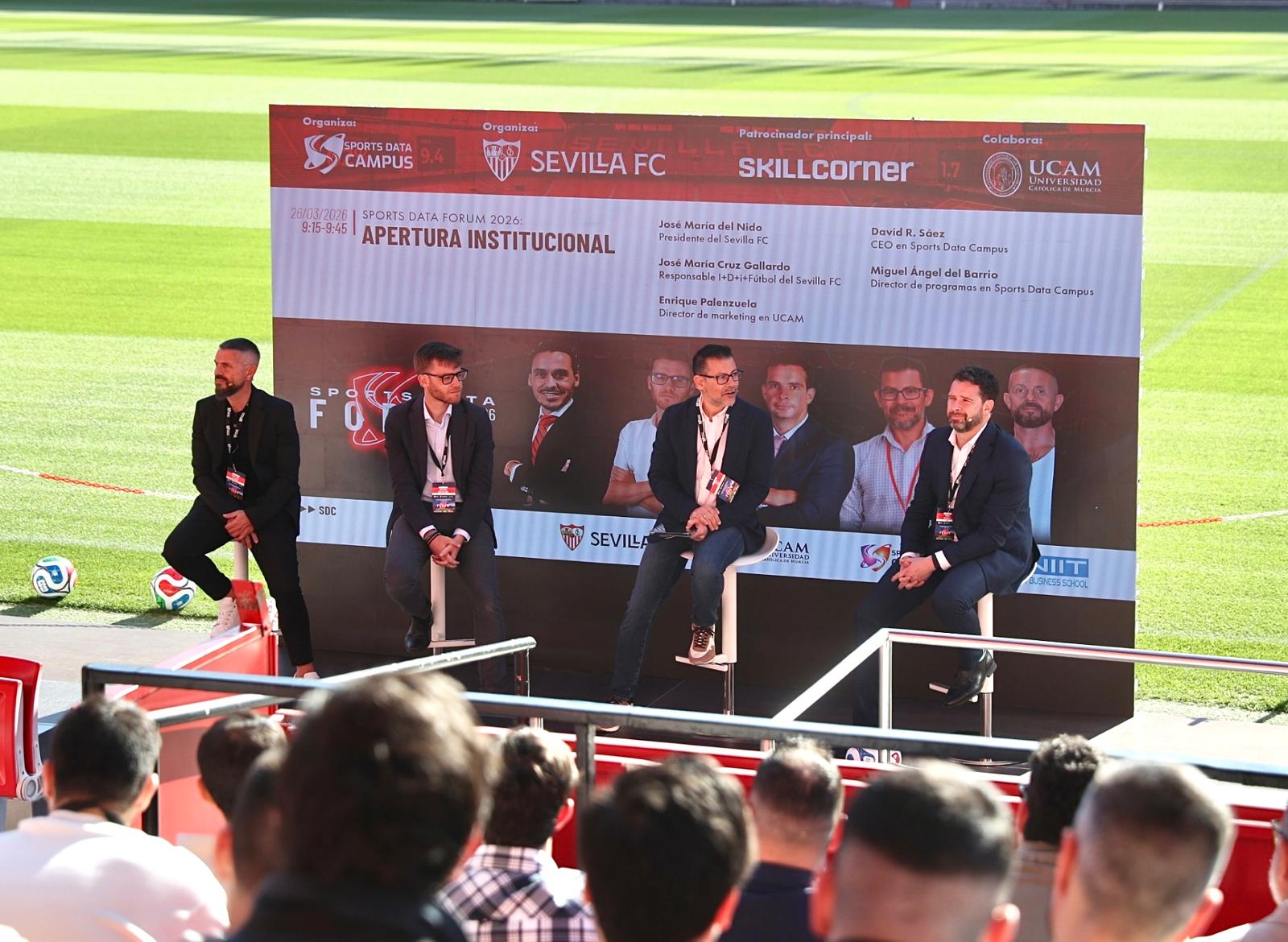
Sevilla FC hosts the institutional opening of the 10th edition of the Sport Data Forum


The event continues to establish itself as a key meeting point for data, technology innovation and education in the sports industry

Sevilla FC hosts the institutional opening of the 10th edition of the Sport Data Forum, an event that continues to establish itself as a benchmark in Big Data, artificial intelligence and innovation applied to sport.

The session features José María Cruz Gallardo, Head of Sports Innovation at Sevilla FC; David Sáez, CEO of Sport Data; Miguel del Campo, Programme Director at Sport Data Campus; and Enrique Palenzuela, Marketing Director at UCAM.

David Sáez opens the session by thanking Sevilla FC, UCAM, the sponsors and especially the students, highlighting the key role they play in the development of the project.

José María Cruz emphasizes that this tenth edition takes place in a pivotal moment for the industry, noting that it is “the year in which the context is changing the most from one Sport Data Forum to another”, mainly due to the evolution of artificial intelligence. He also highlights the importance of relying on technology while maintaining the value of a strong human team.

From UCAM, Enrique Palenzuela highlights the collaboration with the club and states that the Sport Data Forum is “the leading Spanish-speaking event in the data industry”. He also underlines the growth of the educational project, now reaching 17 international master’s programmes developed together with Sport Data Campus in Spanish, Portuguese and English.

Miguel del Campo closes the institutional session by thanking the students for their presence and Sevilla FC for its commitment to an event that reaches its tenth edition, reinforcing its position as a leading platform in data education in professional sport.

Posted on

Liberty University experiences an immersive Program at Sevilla FC through the Medical Academy

March 19, 2026 · Sevilla FC Innovation Center

The Sevilla FC Innovation Center has hosted a group of 21 students from Liberty University (Virginia, USA) for four days, accompanied by two professors from the university and a representative from Alandis, as part of the Medical Academy Program: an immersive educational experience designed to bring the real-world operations of an elite football club’s medical services closer to future sports health professionals.

A Window into Professional Football from the Inside

During their stay at the Sevilla FC Training Ground, participants had the opportunity to learn first-hand about the protocols, methodologies, and technologies that the club’s medical department applies on a daily basis with its players. From injury prevention to recovery processes and sports performance management, the program offered a comprehensive, applied view of medicine in high-level football.

The students were accompanied throughout the program by the Sevilla FC Sports Innovation team, who acted as hosts and guides during the sessions, facilitating access to the facilities and direct contact with the club’s professionals.

Education, Innovation, and International Reach

The Medical Academy Program is one of the initiatives of the Sevilla FC Innovation Center aimed at transferring knowledge between the world of professional football and the academic sphere. Through this type of experience, the club not only strengthens its international projection but also consolidates its position as a global benchmark in sports innovation and specialized training.

The collaboration with Liberty University, one of the largest private universities in the United States with a broad offering in health and sports sciences, represents a further step in Sevilla FC’s strategy to establish strong ties with top-tier academic institutions worldwide.

The Innovation Center: A Bridge Between Football and Academia

The Sevilla FC Innovation Center was born with the mission of serving as the meeting point between high-performance sports innovation and the sector’s demand for knowledge. Programs like the Medical Academy reflect that mission: bringing the unique experience of Sevilla FC beyond the pitch, making the know-how accumulated through decades of elite-level work available to universities, institutions, and professionals around the world.

This experience adds to those that other universities and international institutions have previously carried out through the Innovation Center’s various programs, consolidating a unique educational model that combines theory, practice, and direct access to the reality of professional football.

Does your university want to experience something like this?

If you are part of a university or academic institution and would like to find out how to design an immersive educational program with Sevilla FC, visit sevillafcinnovationcenter.com and discover all the available experiences, or write to us at [email protected].

Posted on

Sevilla FC participates in the European launch of the BIO-AGE 2.0 project in Hannover

Hannover, March 16–17, 2025

Sevilla FC took part this week in the first in-person meeting of the BIO-AGE 2.0 project (ERASMUS-SPORT-2025-SCP, Project No. 101243778), held at the facilities of Hannover 96 on March 16 and 17. The meeting brought together the six partners of the international consortium: Warta Poznań (project coordinator), the Polish Football Association, the University of Physical Education in Poznań, and the MSH Medical School Hamburg.

What is BIO-AGE 2.0?

BIO-AGE 2.0 is a project co-funded by the European Union through the Erasmus+ Sport program. Its goal is to make talent identification and player development in European grassroots football fairer and more inclusive. Its key tool is the systematic integration of biological age (maturation) into scouting, selection, and training processes, going beyond the traditional approach based solely on chronological age.

The project, which will run from 2026 to 2028, is structured in three phases: methodology development, implementation in academies and grassroots clubs, and dissemination at the European level.

The role of Sevilla FC

Sevilla FC participates as an active partner in all three phases of the project, contributing its expertise in player training and development. Its activities will include training workshops for coaches and technical staff (Train-the-Trainer), the implementation of bio-banding strategies in daily training sessions, the organization of multiplier events with grassroots clubs and families, and contributions to the development of the BIO-AGE Hub digital platform.

This participation reinforces the commitment of Sevilla FC’s Innovation Center to innovation based on applied science in youth football, as well as its dedication to the comprehensive and equitable development of young talent at a European level.

More information about the project: bio-age.eu

Are you interested in learning more about BIO-AGE 2.0 or exploring potential collaborations?

Sevilla FC’s Innovation Center is available to answer any questions or open discussions with clubs, academic institutions, and grassroots sports organizations. Contact: [email protected]