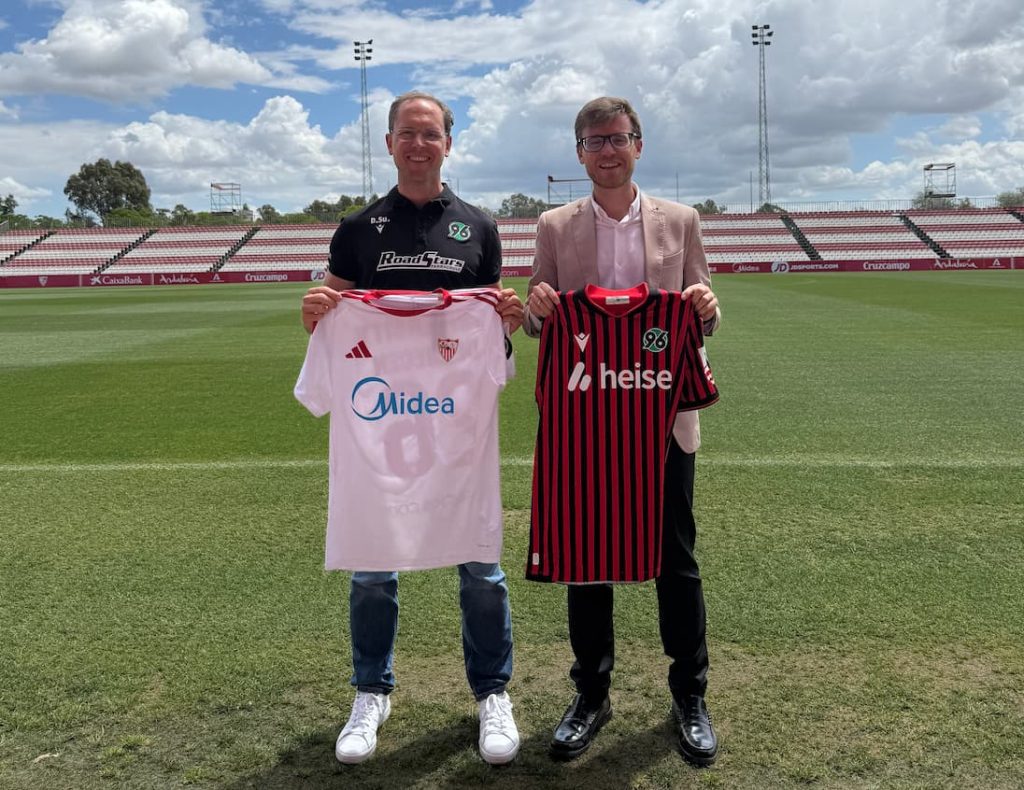
Sevilla FC and the K League, South Korea’s professional football league, have signed a memorandum of understanding (MOU) at the José Ramón Cisneros Palacios Training Ground, establishing a framework for institutional collaboration between the two organisations.
A digital training platform for the K League
Sevilla FC will develop a digital training platform for the K League, providing online content tailored to the needs previously identified by the league. The club will design the content in coordination with the K League, applying its methodology and know-how to the structure and design of the courses.
Sevilla FC will also select the necessary technology providers, prepare, digitise and upload the educational materials, and integrate both organisations’ corporate identities into the platform. The content will be available in Spanish, English and/or Korean.
In essence, the K League will define the training needs and requirements, while Sevilla FC will contribute its content, methodology, expertise and educational structure, supported by a technology platform for online delivery.
What the agreement brings to the K League
For the K League, the agreement provides an opportunity to enhance its knowledge and processes in methodology and technical development through collaboration with Sevilla FC. The league also aims to strengthen its relationship with the club across different areas, extending beyond a single activity or project, while expanding its international network in Spain and Europe.
What the agreement brings to Sevilla FC
For Sevilla FC, the objective is to build a stable partnership with the K League office and its member clubs. The agreement will make it possible to explore new international projects in technical and educational, sporting, business and commercial areas.
Furthermore, the club strengthens its international presence in the Asian market, with the K League potentially serving as a gateway to clubs and other stakeholders within South Korean football.
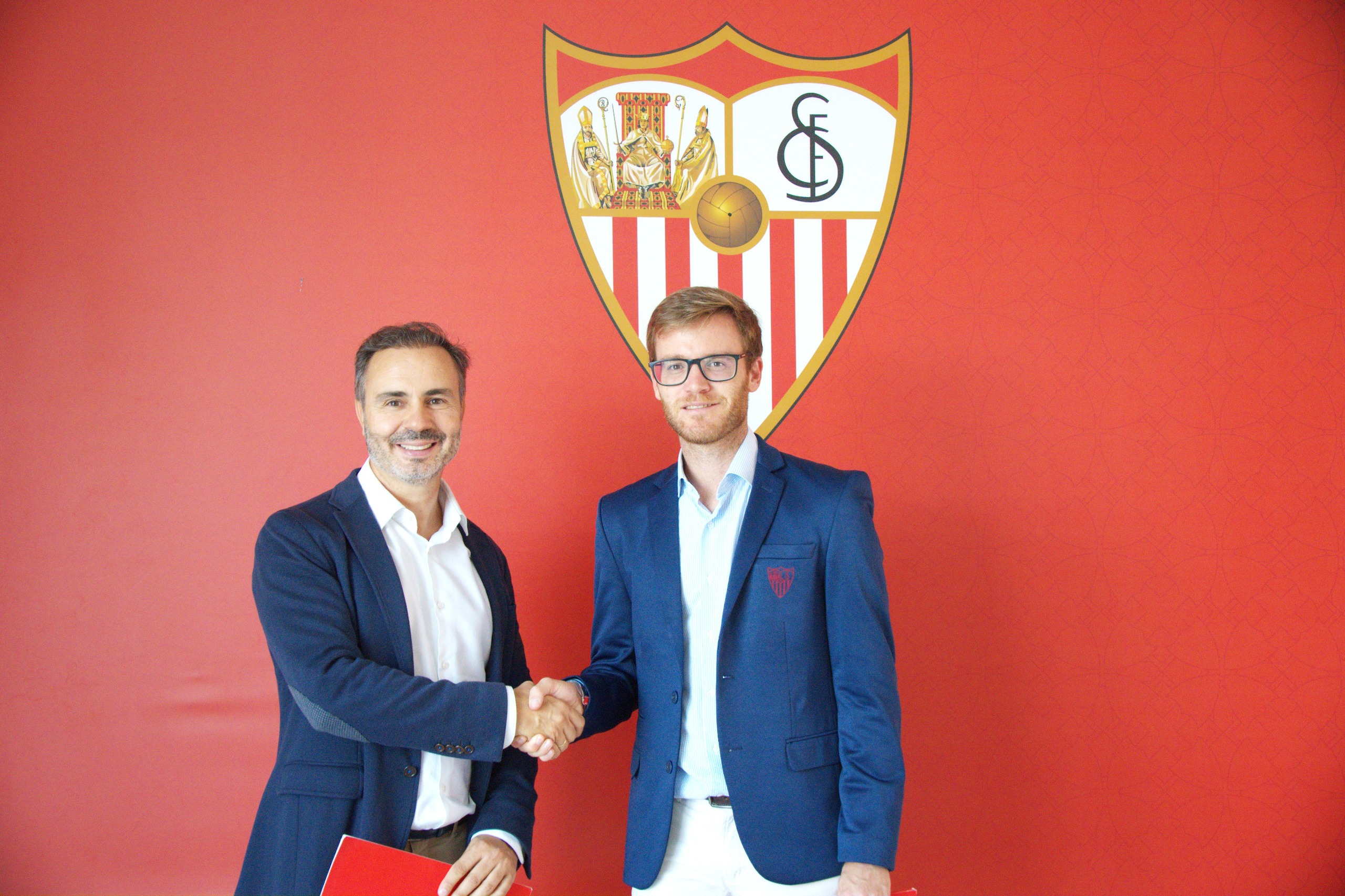
El Sevilla FC e InjuryPRO – XAI Solutions (IPS), nueva spin-off de la Universidad Católica de Murcia (UCAM), han alcanzado un acuerdo de colaboración para avanzar en la aplicación de la inteligencia artificial a uno de los grandes retos del fútbol profesional: la prevención de lesiones. La alianza permitirá trabajar con la tecnología desarrollada por InjuryPRO en un entorno deportivo real y avanzar en su validación y adaptación a las necesidades de un club de élite.
InjuryPRO utiliza Inteligencia Artificial Explicable para identificar patrones asociados al riesgo de lesión, con una capacidad predictiva superior al 90 %, y aportar al staff información útil para anticiparse en la toma de decisiones. El reto es también económico: las lesiones pueden generar un impacto de hasta 180 millones de euros por temporada en LaLiga, mientras que estudios sobre la competición española han cifrado en 365.811 euros mensuales por club el coste salarial medio asociado a determinadas lesiones musculares.
El acuerdo conecta dos ámbitos cada vez más próximos en el deporte profesional: la investigación científica y la capacidad de los clubes para generar grandes volúmenes de datos sobre sus jugadores. En este marco, InjuryPRO aplicará su tecnología en el entorno de rendimiento del club, convirtiendo la información generada en el día a día en conocimiento útil para identificar situaciones de mayor riesgo y apoyar la toma de decisiones del staff.
La colaboración refuerza la apuesta del Sevilla FC por la innovación, la tecnología y la transferencia de conocimiento junto a universidades y centros de investigación, al tiempo que supone la puesta de largo de InjuryPRO como nueva spin-off de la UCAM, llevando al fútbol profesional una tecnología surgida de años de investigación científica.
Un problema deportivo con un impacto millonario
La prevención de lesiones se ha convertido en un factor estratégico para los clubes, no solo desde el punto de vista de la salud y el rendimiento del jugador, sino también por su impacto deportivo y económico.
La dimensión económica de las lesiones está ampliamente documentada en el fútbol profesional. En España, un estudio realizado sobre los 20 clubes de Primera División durante la temporada 2018/19 contabilizó 270 lesiones musculares de miembro inferior y 964 partidos perdidos, estimando un coste salarial medio de 365.811 euros mensuales por club. El mismo trabajo puso de manifiesto la dimensión competitiva del problema, al relacionar una mayor disponibilidad de jugadores y una menor carga de lesiones con mejores resultados deportivos (Nieto-Torrejón et al., PLOS ONE, 2021). Otras estimaciones reflejan también la magnitud económica del problema: el coste de las lesiones puede alcanzar los 265 millones de euros por temporada en la Premier League y los 180 millones en LaLiga, con un impacto aproximado de 9 millones de euros por club en la competición española.
Es precisamente sobre este reto donde actúa InjuryPRO. La compañía nace de la investigación desarrollada en el Centro de Investigación en Alto Rendimiento Deportivo de la UCAM (CIARD-UCAM), dirigido por el Catedrático en Ciencias del Deporte, el Dr. Pedro Emilio Alcaraz, y de la colaboración tecnológica con AyGLOO, especializada en inteligencia artificial.
Su plataforma integra información procedente de sensores GPS, cargas de entrenamiento, historial de lesiones, percepción del esfuerzo, indicadores de bienestar, fuerza y otros biomarcadores para identificar patrones relacionados con un aumento del riesgo de lesión. Los resultados obtenidos durante el desarrollo del proyecto sitúan su capacidad predictiva por encima del 90 %.
Su mejora principal está, sin embargo, en que no se limita a generar una alerta. InjuryPRO emplea Inteligencia Artificial Explicable (XAI) para mostrar qué factores están influyendo en cada predicción y analizar cómo determinados cambios podrían modificar el riesgo estimado. El objetivo no es sustituir el criterio de médicos, preparadores físicos o entrenadores, sino proporcionarles una nueva capa de información para decidir: el modelo informa, el staff decide.
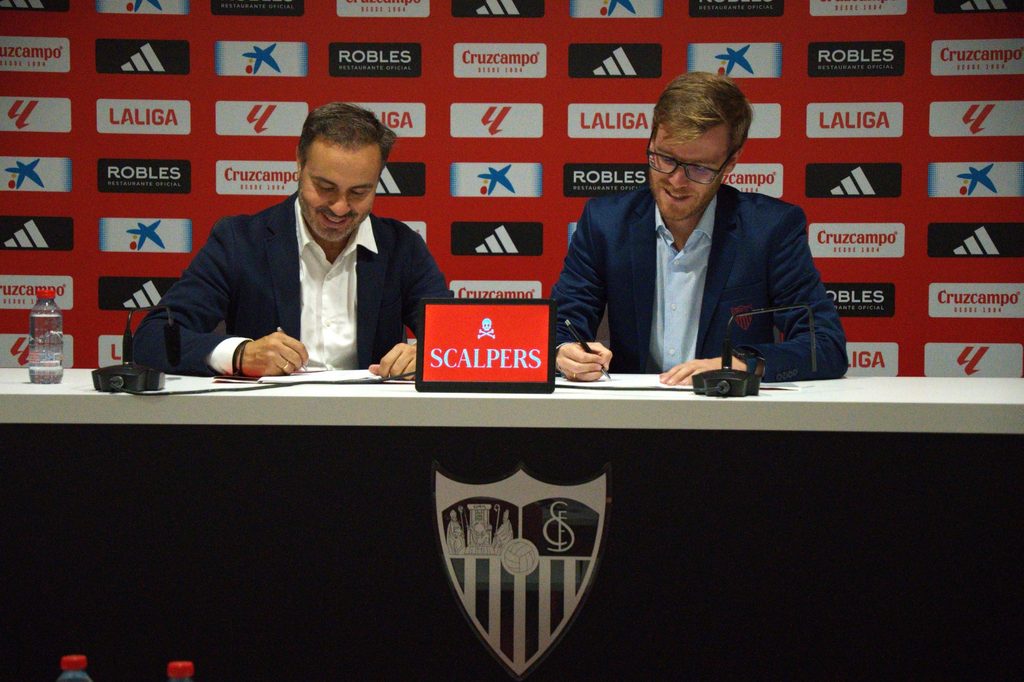
Pedro Emilio Alcaraz y José María Cruz Gallardo firmando el acuerdo de colaboración
Cuando la investigación llega al terreno de juego
Para el Sevilla FC, esta colaboración se enmarca en su estrategia de innovación aplicada al fútbol y en su apuesta por incorporar conocimiento procedente de la investigación, la tecnología y el ámbito universitario a los procesos del club.
“Desde la estructura de dirección del club siempre se ha tenido claro que tenemos que apoyarnos en otras empresas y en universidades, que son los centros de conocimiento, para seguir en un proceso de mejora y de actualización permanente de todos los avances que nos puedan ayudar a ir creciendo. En este caso, confluye todo.
Confluye la universidad, confluye una empresa, una spin-off que se está gestando en ella y, además, en este caso, la universidad tiene nombre y apellidos, que es la UCAM, una universidad con la que desarrollamos muchísimos proyectos muy exitosos y que tiene un prestigio internacional, especialmente, específicamente, en todas las ramas del deporte”. – José María Cruz Gallardo, responsable de Innovación Deportiva del Sevilla FC.
Para InjuryPRO, el acuerdo supone un paso decisivo desde la investigación hacia su aplicación en el mercado y en el fútbol profesional.
“InjuryPRO es una herramienta basada en inteligencia artificial que surge de una spin-off de la UCAM y que busca predecir lesiones en fútbol profesional. Por eso estamos aquí hoy en Sevilla, porque uno de los clubes que va a colaborar en el desarrollo de la prueba de concepto es el Sevilla.
Pensamos que el trabajo que se está haciendo en innovación y desarrollo en Sevilla tiene una transferencia directa a este proyecto. Por lo tanto, pensamos que es un socio y un aliado ideal para InjuryPRO y estamos seguros de que esta herramienta va a ser el referente en el futuro y va a servir precisamente para predecir y reducir las lesiones en fútbol profesional y ayudar sobre todo a nuestros jugadores para que tengan una carrera mucho más longeva y más éxito”. – Pedro Emilio Alcaraz, CEO de InjuryPRO, director del Centro de Investigación en Alto Rendimiento Deportivo de la UCAM y catedrático de Entrenamiento de Fuerza y Nutrición Deportiva
El nacimiento de InjuryPRO representa también el modelo de transferencia que impulsa la UCAM a través de su Oficina de Transferencia de Conocimiento y UCAM HiTech: transformar resultados científicos generados en la Universidad en nuevas empresas de base tecnológica y soluciones capaces de responder a necesidades reales de la sociedad.
Con el Sevilla FC como aliado en esta nueva etapa, InjuryPRO da así el salto del laboratorio al césped, con un objetivo concreto: que los datos que el fútbol profesional ya genera puedan convertirse en mejores decisiones para proteger al jugador, optimizar su disponibilidad y reducir el impacto de las lesiones evitables.
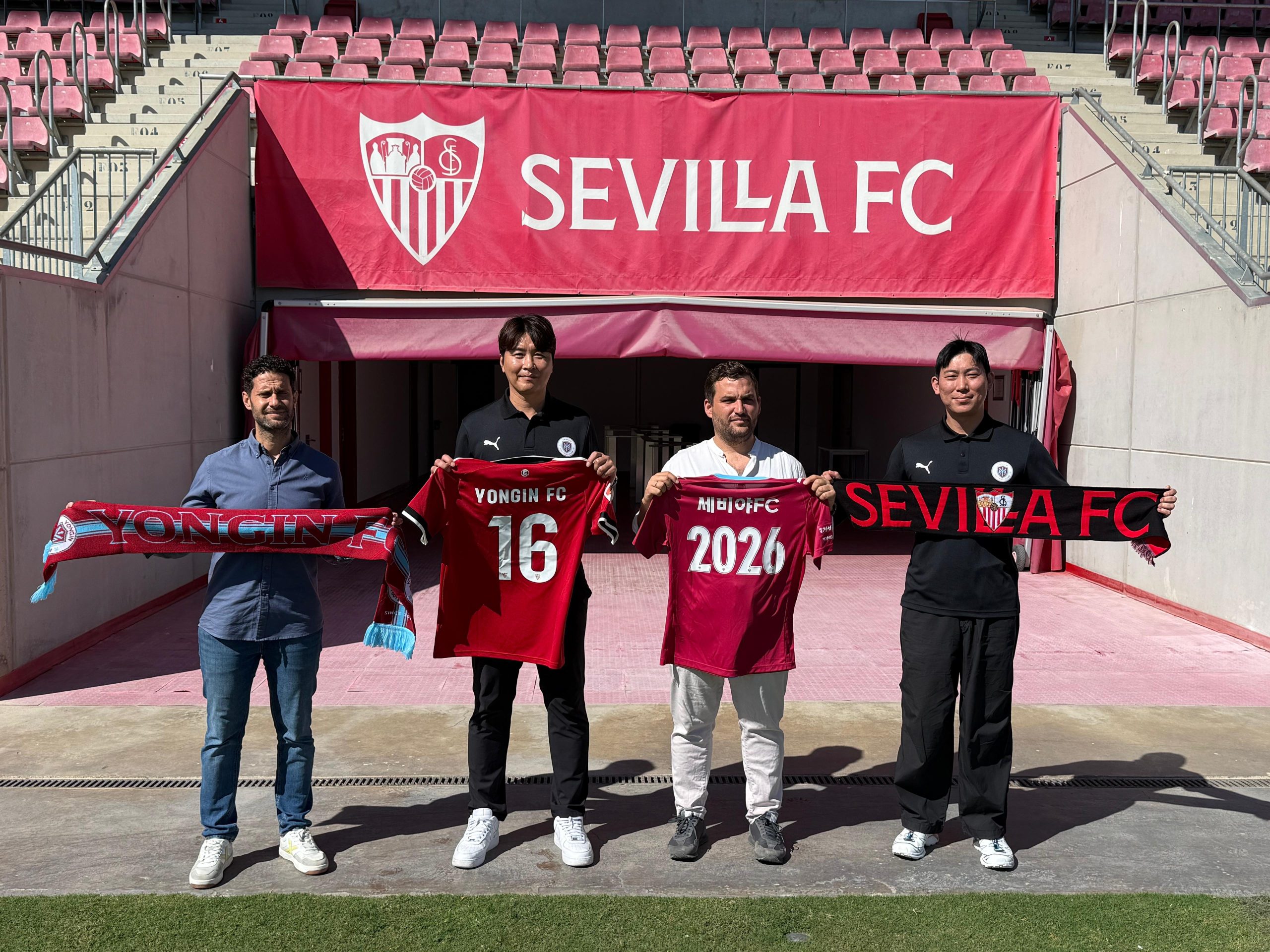
Sevilla FC and Yongin FC signed a Memorandum of Understanding (MOU) last Tuesday, 22 September, at the Ciudad Deportiva José Ramón Cisneros Palacios, laying the foundations for a strategic collaboration between the two organisations. The ceremony was attended, on behalf of Sevilla FC, by Jesús Olivera, Data Analyst, and Daniel del Valle, Academy Analysis Coordinator, and, on behalf of the Korean club, by Lee Dong-gook, Sporting Director of Yongin FC and former Korean footballer. The agreement recognises the value of the knowledge and methodology developed by Sevilla FC.
Yongin FC is the first professional club from the South Korean city of Yongin. Founded in January 2026, the club currently competes in K League 2.
Talent identification and development.
Sevilla FC will assist Yongin FC in improving its processes for the detection, identification and development of young talent through the transfer of the club’s knowledge and working methodology.
Player development programmes in Seville.
The agreement includes short, intensive programmes in Seville for groups of young Yongin FC players. Through these training experiences within the Sevilla FC environment, participants will have the opportunity to improve their skills and overall football development.
Coaches and staff development.
Both organisations will be able to organise online training programmes for Yongin FC coaches and technical staff, as well as short, intensive in-person workshops in both Yongin and Seville. These activities will focus on methodology, training and the professional development of the coaching staff.
Sports Management and R&D.
Sevilla FC will collaborate with Yongin FC in the creation and structuring of its own sporting management processes and will support the development of an Research and Development (R&D) Unit, taking the Sevilla FC model as a reference. The aim is to adapt this knowledge to the specific structure and needs of the Korean club.
An agreement that strengthens the ties between both cities.
The signing comes almost one year after the mayors of Seville, José Luis Sanz, and Yongin, Lee Sang-il, signed a Memorandum of Understanding between the two cities at FIBES during the 2025 Tourism Innovation Summit. That agreement, which has an indefinite term, aims to strengthen institutional cooperation in tourism, culture, technological innovation, urban development and the environment.
With this agreement, Sevilla FC strengthens its international presence and its commitment to training and knowledge transfer within the football industry.
The event served as the prelude to the new training programme, which will take place at the Estadio Jesús Navas facilities, where students will begin their preparation to obtain the Football Coaching qualification.
Throughout the day, applicants completed the various tests required for admission to the training programme, demonstrating their physical abilities and specific skills related to the practice of football.
With these entrance exams, Sevilla FC continues to strengthen its commitment to the education of future football professionals, offering a training pathway connected to the reality and professional environment of a football club.
The new academic year will begin shortly at the Estadio Jesús Navas, where students will undertake the programme corresponding to the Initial Cycle of the Intermediate-Level Football Coaching Qualification.
Moving to a new country involves an adaptation process for any player that goes far beyond the football pitch. Language, culture and the surrounding environment are also part of their experience as a footballer. For this reason, since the 2024/2025 season, Sevilla FC has maintained a partnership with Carlos V Education, a centre specialising in language teaching and international education programmes.
Through this partnership, Sevilla FC’s international players have the opportunity to take Spanish courses, adapted to their needs and their integration process in the city and at the club. Each season, between 10 and 15 international footballers attend classes at Carlos V Education to improve their language skills.
This training is also particularly relevant during the integration process of players arriving from other countries. Carlos V Education offers services including visa management and student support, as well as different Spanish language programmes at its headquarters in Seville.
Language training thus becomes another tool in the players’ adaptation process, helping them communicate in their daily lives and integrate both into the dressing room and their new surroundings.
Carlos V Education’s headquarters in Seville, located in Los Remedios, is also accredited by the Instituto Cervantes for teaching Spanish as a foreign language and offers Spanish programmes across different formats and levels.
This partnership reflects Sevilla FC’s commitment to the comprehensive education of its players, supporting them beyond the football pitch and providing tools that contribute to their personal, academic and professional development.
Sevilla FC and Carlos V Education continue working together to ensure that language also becomes a tool for integration and growth for footballers arriving in Nervión from different parts of the world.
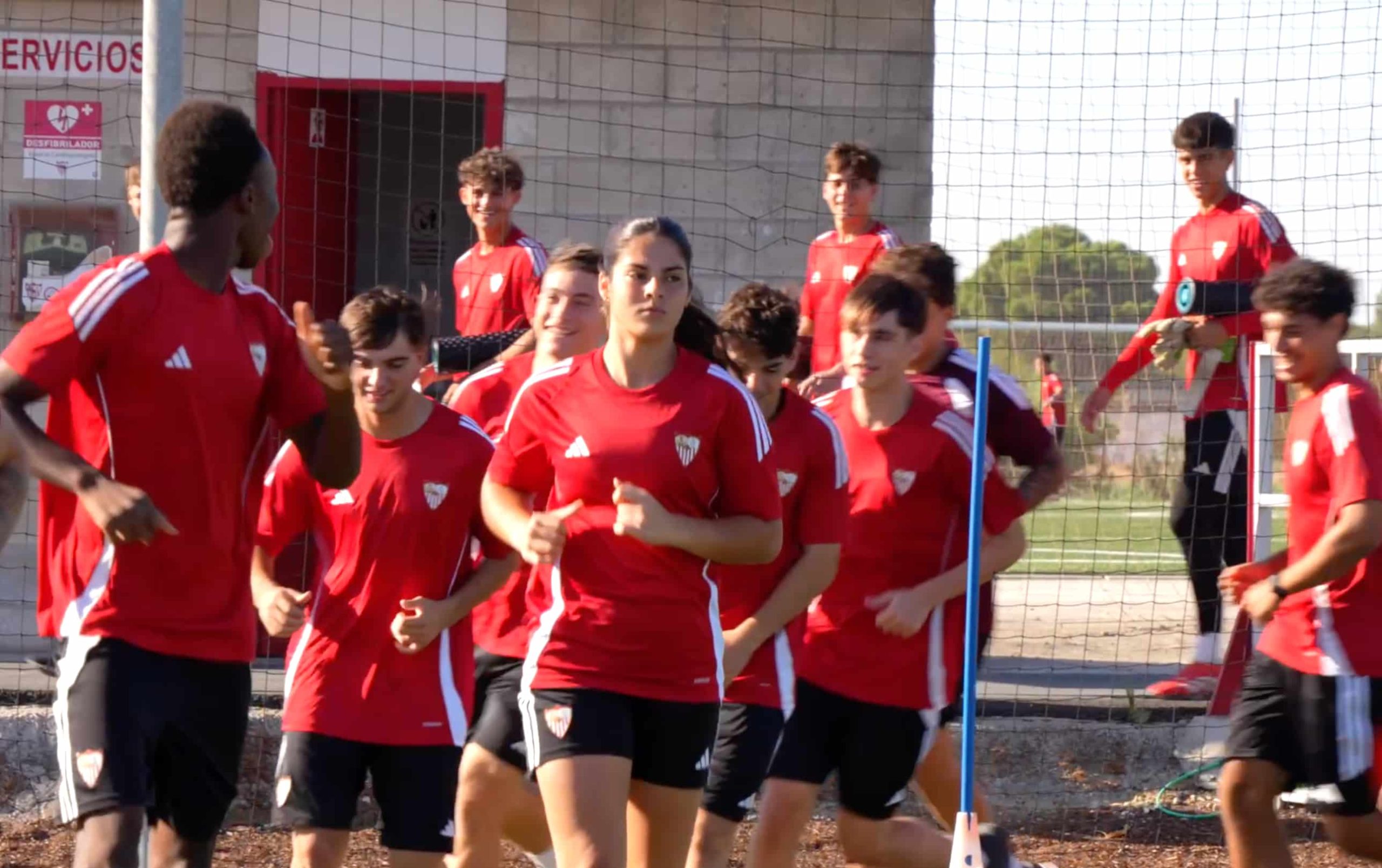
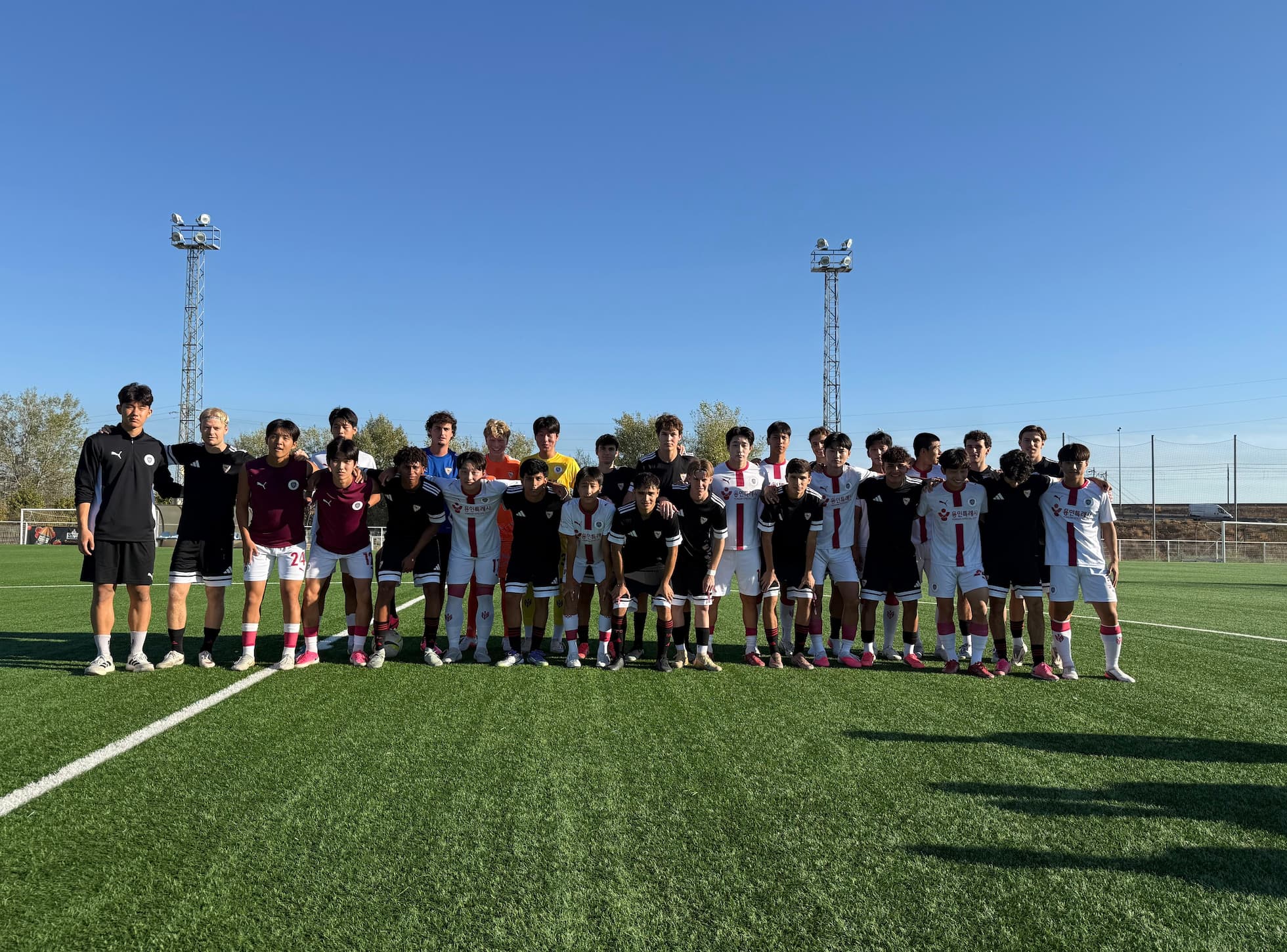
Yongin FC U17 enjoyed a week-long international training experience with Sevilla FC. From September 15 to 22, the South Korean delegation took part in the Players Academy programme, experiencing a comprehensive sporting and educational schedule in Seville.
During their stay, the players took part in morning training sessions alongside Sevilla FC Academy coaches, gaining first-hand insight into the club’s training methodology and the daily work of its youth teams.
The experience also included several friendly matches against Sevilla FC Juvenil C and Sevilla D, with the latter providing an opportunity to share the pitch with the international players involved in the High Performance Career Program.
Beyond training sessions and competition, the delegation also had the opportunity to enjoy one of the highlights of their stay in Seville: attending the match between Sevilla FC and FC Barcelona, experiencing professional football at the Ramón Sánchez-Pizjuán Stadium.
An experience also for goalkeeper coaches.
The educational experience was not limited to the players. The two goalkeeper coaches accompanying the delegation also took advantage of their stay to complete an internship with Sevilla FC’s Goalkeeping Department.
Throughout these days, they gained first-hand insight into the specialised work carried out with the club’s academy goalkeepers, exchanged knowledge with the department’s coaches and observed different training sessions.
In this way, Yongin FC U17’s visit provided an international educational experience for both players and coaches, combining methodology, competition, knowledge exchange and an insight into Sevilla FC’s sporting structure.
A week in which football became a meeting point between South Korea and Seville, strengthening the international dimension of the club’s training programmes.
The XI Master’s Degree in Big Data Applied to Football Scouting is already entering its final stage before the start of a new edition. The programme, promoted by the Sevilla FC Innovation Center together with Sports Data Campus and UCAM, continues to establish itself as a leading training programme for professionals seeking to specialise in the use of data and advanced analytics within the football industry.
This new edition will begin on 28 October 2026, offering participants training focused on the current needs of clubs and sporting departments. The programme is aimed at sporting directors, analysts, scouts, coaches, fitness coaches and sports managers, providing the necessary tools to interpret large volumes of information and turn them into valuable insights for decision-making.
Throughout the Master’s Degree, students will be able to deepen their knowledge in areas such as Big Data, advanced analytics, scouting, performance analysis, data visualisation and artificial intelligence applied to sport, while also gaining knowledge of tools such as R and Python. The programme also incorporates a practical approach that enables participants to apply the knowledge acquired to the different analysis and planning processes present in professional football.
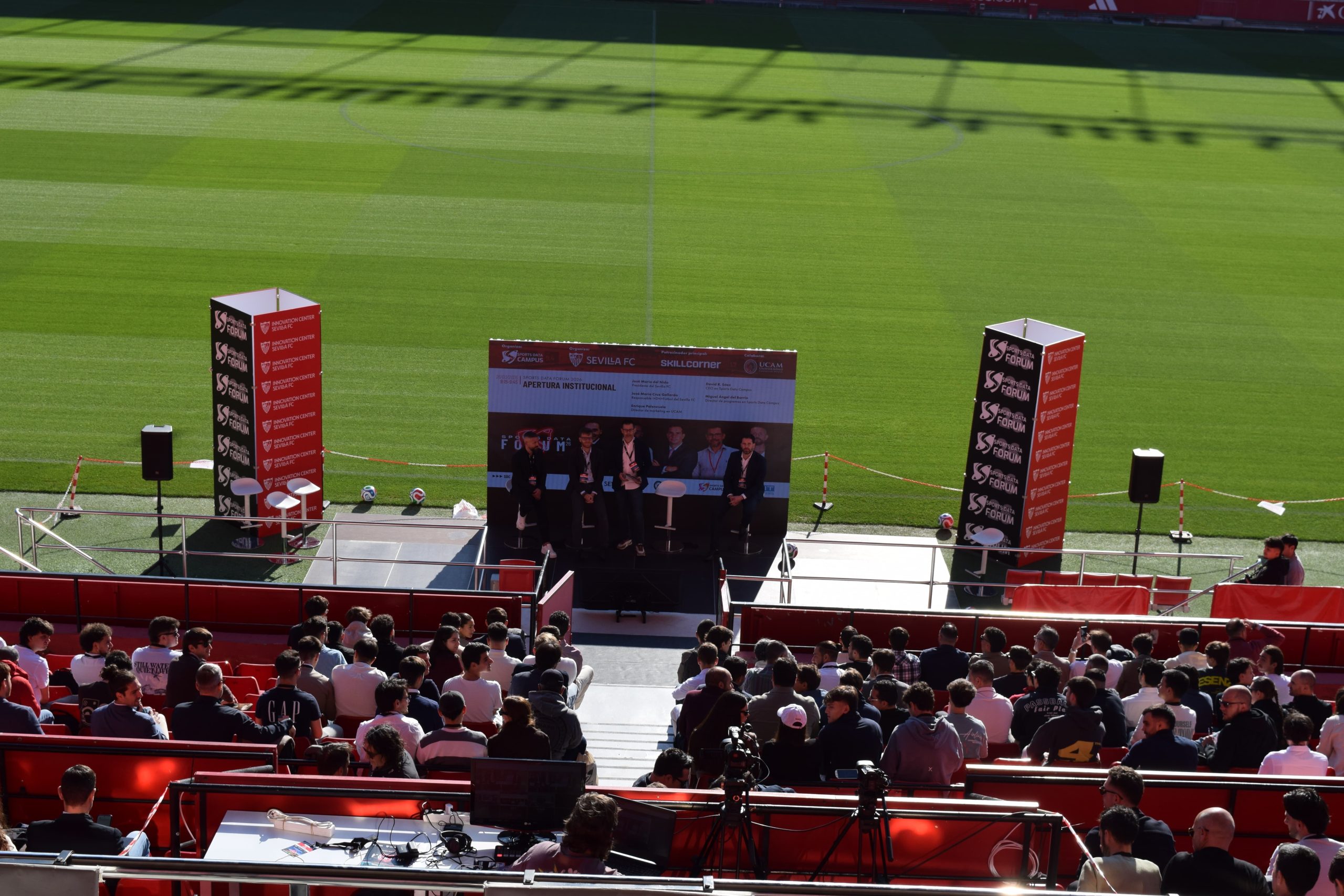
The training programme is also part of a knowledge ecosystem whose main meeting point is the Sport Data Forum, an annual event held at the Ramón Sánchez-Pizjuán Stadium that brings together professionals, experts, clubs and companies linked to Big Data, artificial intelligence and innovation applied to sport. In its 2026 edition, the event brought together numerous national and international speakers to share experiences, real-life cases and the main trends shaping the sector.
With the start of the XI edition drawing ever closer, there is still time to become part of a community of professionals specialising in the present and future of football analysis.
Registrations remain open. Don’t miss the opportunity to take the next step in your professional development and specialise in Big Data and advanced analytics applied to football scouting.
Find out all the information about the programme and reserve your place for the XI edition, here.
Sevilla FC brought the 9th and 10th editions of the Master’s Degree in Big Data Applied to Football Scouting to a close with two enriching days in which education, knowledge sharing and networking took centre stage.
The programme began on Wednesday at the José Ramón Cisneros Palacios Training Ground, where students enjoyed a guided tour of the club’s facilities, gaining first-hand insight into the daily operations of Sevilla FC’s renowned academy. The day concluded with students from the ninth and tenth editions of the master’s programme joining participants from the 3rd Sports Data Champion for a series of seven-a-side football matches, wearing the official Sevilla FC academy kits.
On Thursday, the closing ceremony moved to the Ramón Sánchez-Pizjuán Stadium, where attendees began the day with a guided Sevilla FC Stadium Tour before the academic programme got underway. Jesús Olivera, Head of Data Analysis at Sevilla FC; Daniel del Valle, Analysis Department Coordinator; and David Sáez, CEO of Sports Data Campus, officially opened the event.
Following the opening, Jesús Olivera presented the challenge assigned to the students during the Hackathon 2.0, a practical case study in which participants were tasked with using data analysis to determine which national team was heading into the 2026 FIFA World Cup in the strongest form. The winning team presented its project remotely, while the runners-up received official Sevilla FC gifts in recognition of their outstanding work.
After a networking break, which gave students, lecturers and industry professionals the opportunity to exchange ideas and experiences, David Sáez delivered a masterclass on personal branding, providing valuable advice and practical tools to help aspiring analysts build their professional careers within the football industry.
The programme of presentations concluded with Eduardo Valera, Data Analyst in Sporting Management – Sporting Innovation at Sevilla FC, who explained how analysts present their findings to the Sporting Directors. His session focused on the preparation of scouting reports and the key aspects that support effective decision-making within a professional football club.
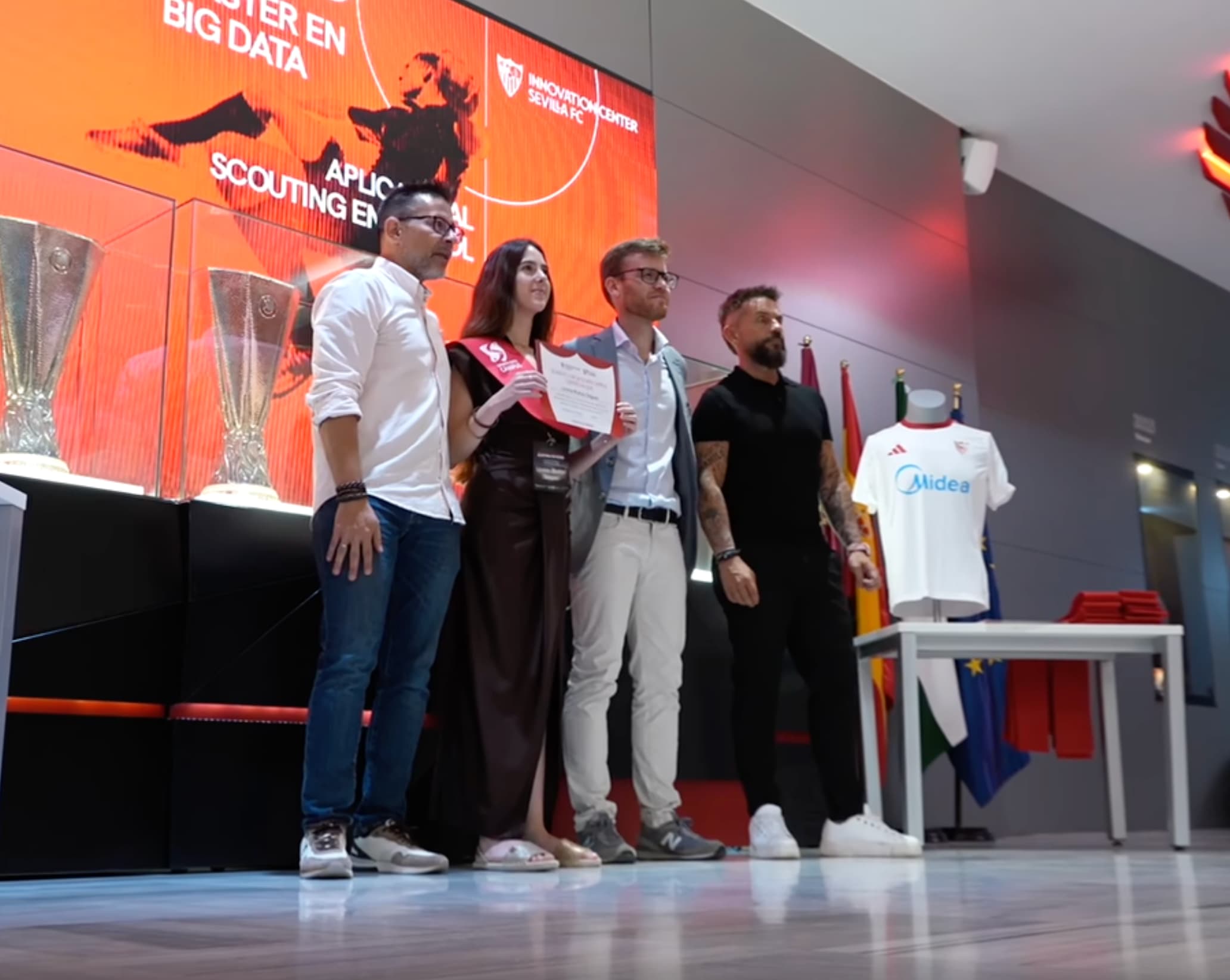
The event concluded with one of its most memorable moments: the presentation of diplomas and graduation sashes to the students of the Master’s Degree in Big Data Applied to Football Scouting. The ceremony was led by José María Cruz Gallardo, Head of R&D&I at Sevilla FC, alongside David Sáez, CEO of Sports Data Campus, and Miguel Ángel del Barrio, Director of Programmes and Projects at Sports Data Campus, who congratulated the graduates on their achievements and wished them every success in their future careers.
With this closing ceremony, Sevilla FC once again reaffirms its commitment to innovation, specialised education and the development of talent in the field of football data analysis, further consolidating a programme that has become a benchmark for professionals across the industry.
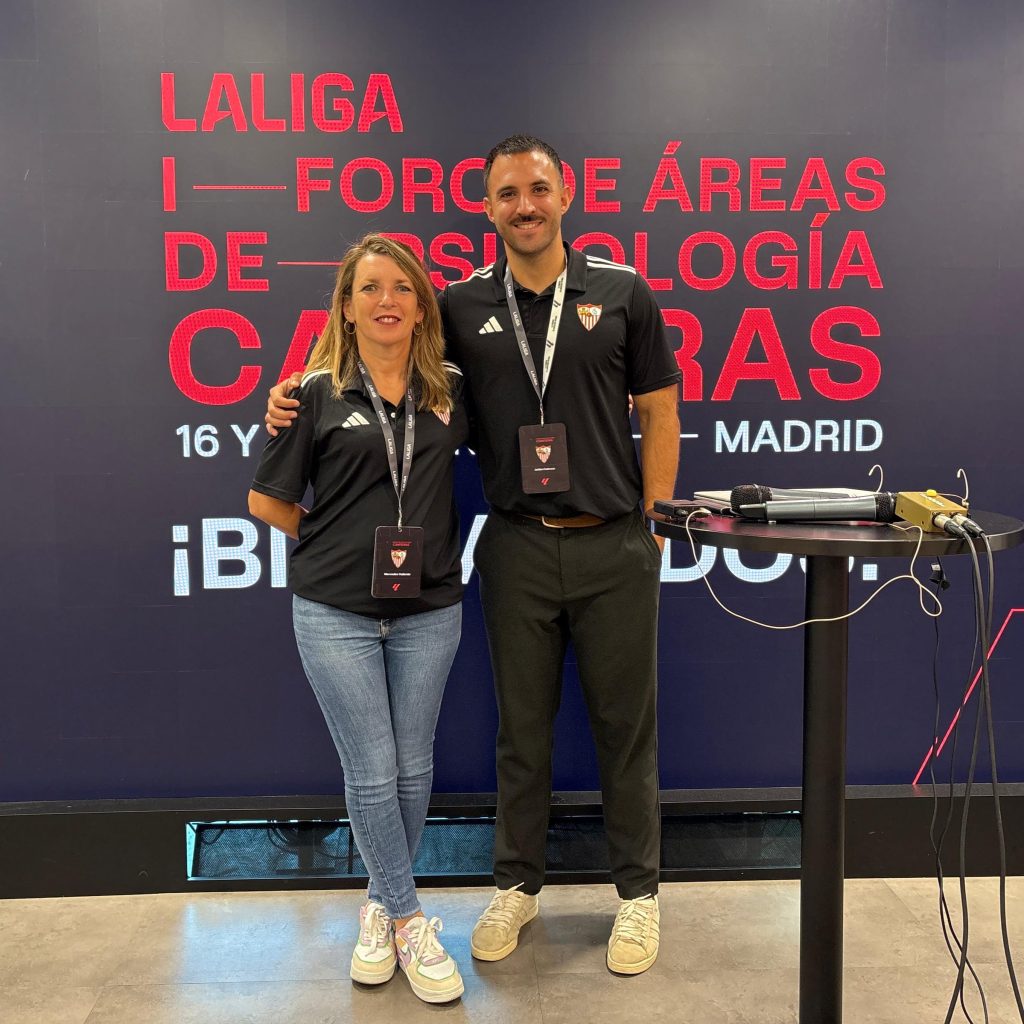
Sevilla FC’s Psychology Department participated in the first Youth Academy Psychology Forum organized by LALIGA, held in Madrid on June 16 and 17. The initiative brought together more than 60 specialists from 38 professional football clubs with the aim of sharing experiences, methodologies, and intervention models focused on the holistic development of academy players.
Over the course of the two-day event, participants explored topics related to psychological periodization, player welfare and support, and the integration of psychology within youth academy structures. The forum highlighted the growing importance of sports psychology as a strategic tool for fostering both athletic performance and personal development among young footballers.
The event forms part of the second phase of LALIGA’s National Academy Plan, an initiative designed to further enhance the quality standards of youth development in Spanish professional football. Its objectives include strengthening player care departments, promoting mental health and safeguarding policies, preventing bullying, and supporting programs that help young athletes balance their academic and sporting commitments.
The forum also served to strengthen collaboration among psychology professionals from participating clubs, encouraging the ongoing exchange of knowledge, research, and best practices. LALIGA has also announced the creation of new collaboration and advisory spaces aimed at continuing the professionalization of psychology departments within youth academies.
Sevilla FC’s participation in the forum reinforces the club’s commitment to the comprehensive development of its academy players, recognizing psychological and emotional growth as essential components of the educational and sporting pathway of young athletes.
Sevilla FC+ estrena este martes ‘Sevilla Innovation Stories’, un nuevo pódcast centrado en el trabajo que desarrolla el Área de Innovación Deportiva del Sevilla FC. La serie mostrará el funcionamiento de este departamento, dedicado a la investigación y el desarrollo aplicado al fútbol, con especial atención al análisis de datos, la formación y los procesos de apoyo a la toma de decisiones deportivas.
Entre los temas que se abordarán figuran el análisis del rendimiento, la captación y evaluación de talento, el uso de herramientas tecnológicas y la evolución de diferentes perfiles profesionales dentro de la industria del fútbol. Los pódcast buscan acercar al público el trabajo que se realiza en esta área y ofrecer una visión más detallada de algunos de los procesos que forman parte de la estructura deportiva del club.
La primera temporada consta de seis episodios en los que participan profesionales vinculados al mundo del fútbol, muchos de ellos formados en el propio club. A través de entrevistas y conversaciones, los invitados explicarán distintos aspectos relacionados con la innovación deportiva y compartirán experiencias sobre su aplicación en entornos profesionales.
Múltiples protagonistas
La primera temporada de ‘Sevilla Innovation Stories’ se abre con Ramón Vázquez, quien repasa su trayectoria en el Sevilla FC desde la creación del departamento de análisis de cantera hasta su paso por el primer equipo y las dos UEFA Europa League conquistadas durante su etapa en el club. El segundo episodio recoge la historia de Taichi Wakabayashi, un analista japonés que pasó de descubrir al Sevilla FC como aficionado desde Japón a formar parte del cuerpo técnico del primer equipo, antes de incorporarse a la selección absoluta de su país. En el tercer capítulo, Ibon Landa, miembro del departamento de desarrollo tecnológico del Athletic Club, ofrece una comparación entre los modelos de trabajo de ambos clubes en ámbitos como el análisis de datos, la gestión deportiva y la inteligencia artificial aplicada al fútbol.
La segunda mitad de la temporada cuenta con la participación de Álvaro López, profesional formado en el entorno del análisis deportivo que actualmente desarrolla su carrera en el fútbol de Oriente Medio, donde aborda la importancia de la formación continua y la especialización. El quinto episodio reúne a Gonzalo Soto, José Luis del Valle y Juan Manuel González, quienes comparten su experiencia formativa dentro del departamento y su acercamiento al análisis, los datos y el scouting. La serie concluye con José María Cruz Gallardo, responsable del Área de Innovación Deportiva del Sevilla FC, quien repasa la creación, evolución y perspectivas de futuro de un departamento centrado en la gestión del conocimiento, la innovación y el uso de datos en el ámbito deportivo.
De esta forma, Sevilla FC+ suma en su primer año de vida ‘Sevilla Innovation Stories’ a su catálogo de pódcast, que ya incluye ‘Sólo el Sevilla’, ‘Contigo Sevilla’, ‘El Cubo’ y ‘La Cantera’, disponibles también en este formato. A ello se añaden ‘Lenguas Antiguas’, donde el Área de Historia del Sevilla FC repasa relatos, curiosidades y logros de la entidad a lo largo de sus más de 136 años, y el tradicional espacio cofrade ‘Gólgota’, que esta temporada ha incorporado igualmente el formato pódcast.
Además de en Sevilla FC+, el podcast estará disponible en las principales plataformas de audio, como Ivoox y Spotify.
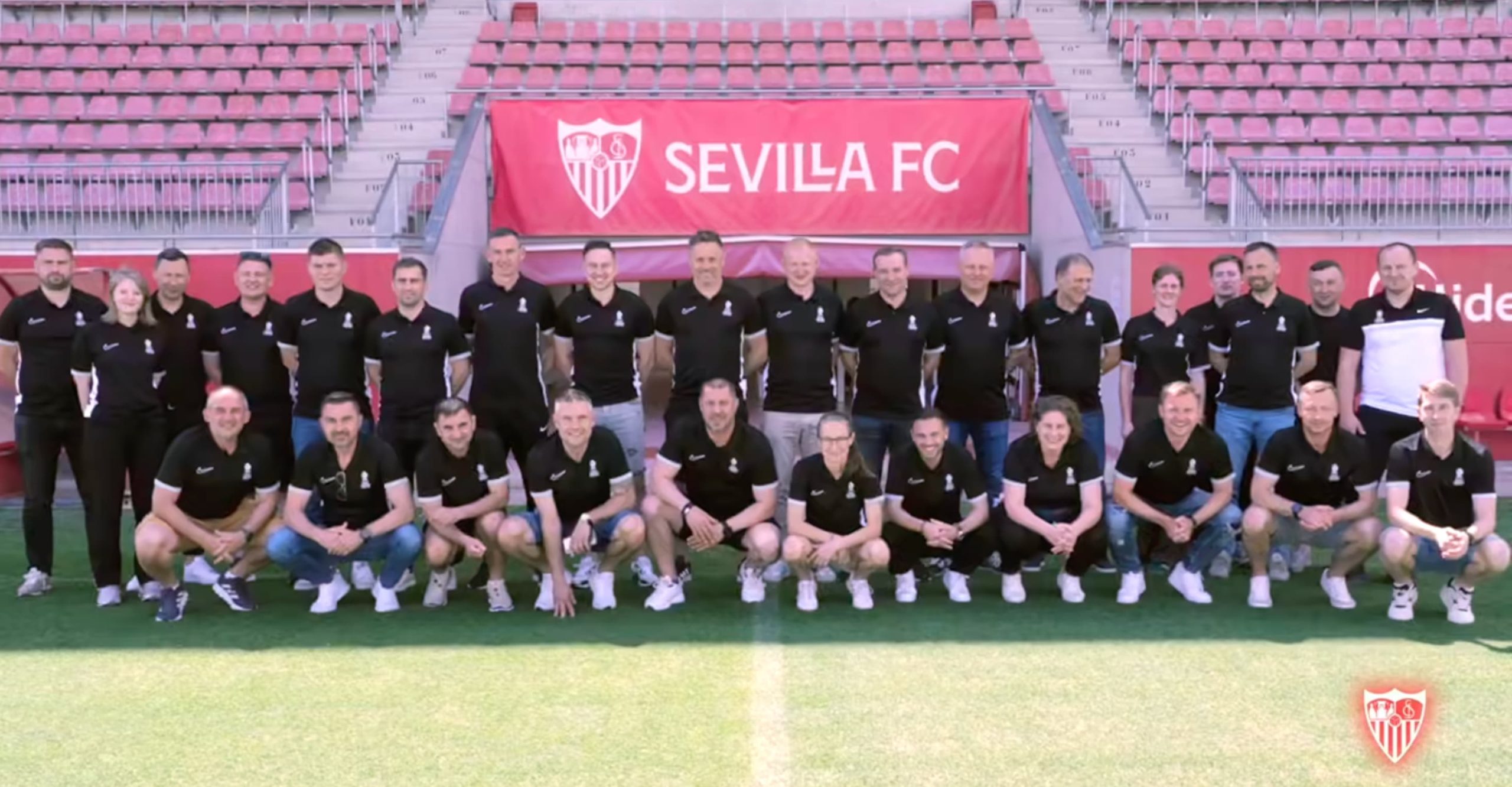
Last week, Sevilla FC’s Training Facilities welcomed a group of future academy directors currently undertaking their training programme with the PZPN (Polski Związek Piłki Nożnej), the Polish Football Association.
During their visit, the participants had the opportunity to gain first-hand insight into the club’s methodology, sporting structure, and holistic approach to talent development. They also shared experiences and knowledge with the professionals who form part of Sevilla FC’s academy ecosystem.
The club would like to express its sincere gratitude to the Polish Football Association for the trust placed in Sevilla FC and its staff to contribute to the development of their future sporting leaders. Initiatives such as these reinforce the club’s international outlook and strengthen the cooperative relationship between institutions committed to the growth of youth football.
Committed to knowledge exchange
At Sevilla FC, knowledge exchange is considered a key driver in the evolution of football development. For this reason, the club remains open to building strategic partnerships with federations, leagues, and clubs committed to excellence in education and talent development.
For more information about these initiatives and collaborations, please contact: [email protected]
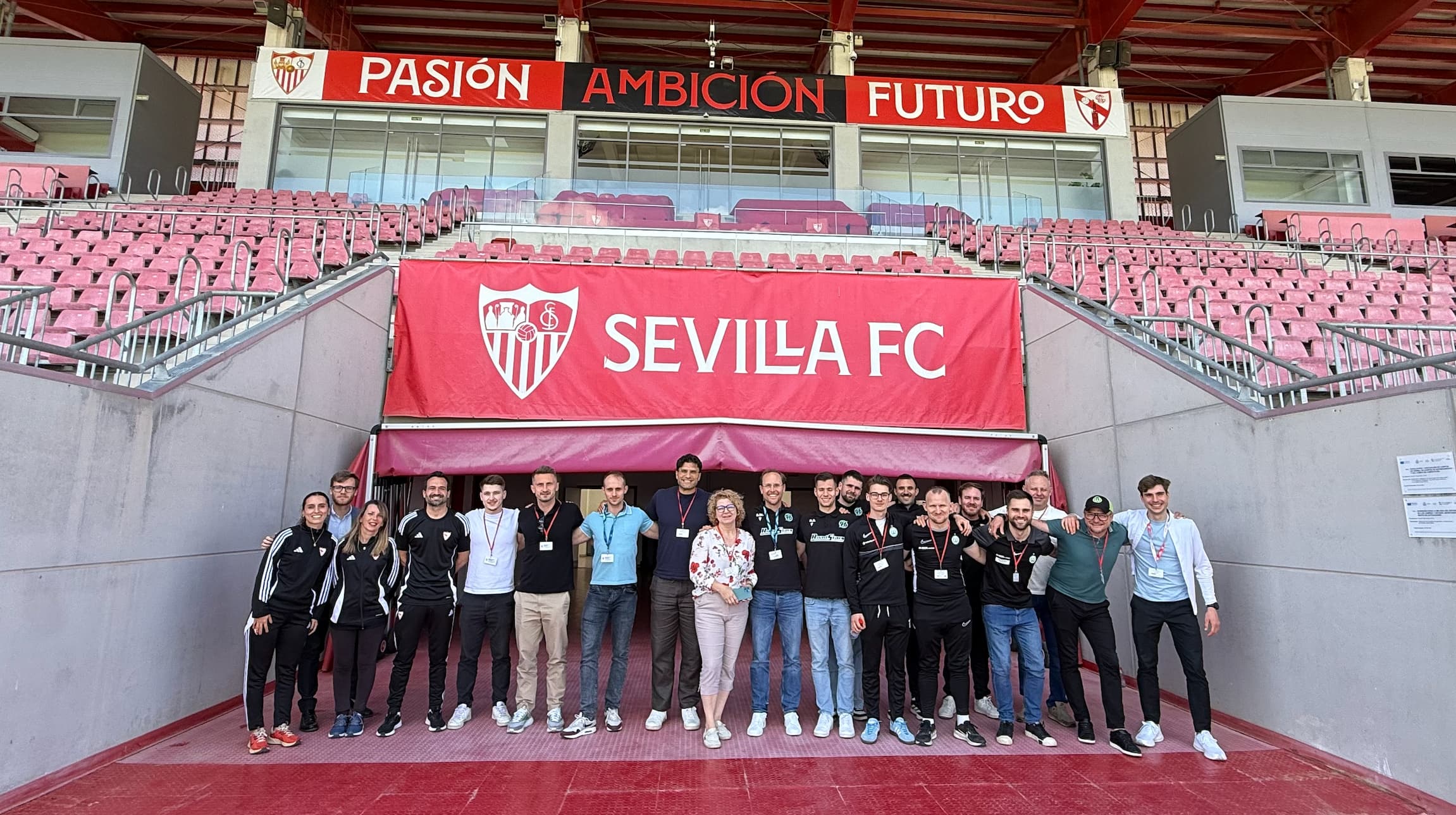
The first day began with a project status presentation and an online session on the BIO-BANDING Tournament, delivered by German partner Borussia Dortmund. This was followed by a central session led by the Polish Football Association (PZPN), consisting of both a presentation and a practical workshop under the title “Player-Centered Approach in the Polish Football Association Development System.” The session explored current challenges in youth football, differences between early and late maturation, and practical tools to help coaches manage maturational diversity within their squads.
The afternoon was especially significant for the host club. Sevilla FC presented its talk “Player Development at Sevilla FC: 26 Years of Experience and Evolution,” delivered by Julián Andrés Cabrera and Mercedes Valiente. The presentation highlighted the depth of Sevilla FC’s player development model and its ability to adapt to the various stages of individual and collective player growth. The day concluded with a visit to the Ramón Sánchez-Pizjuán Stadium.
Second Day: Recommendations, behaviour models, and next steps.
The second day focused on consolidating the consortium’s collective work. Warta Poznań and Hannover 96 presented progress regarding the psychological aspects of developing players with different maturation rates. Afterwards, the consortium worked on recommendations and case studies for the practical guide aimed at coaches, one of the project’s key deliverables.
MSH Medical School Hamburg presented the application of the COM-B Model as a framework for identifying entry points for implementing biological maturation into daily football practice. The meeting concluded with a planning session covering upcoming tasks and timelines for the coming months, before participants visited Sevilla FC’s training facilities.
The role of the Innovation Center.
Hosting TPM2 in Seville further strengthens the role of Sevilla FC’s Innovation Center as a European hub for innovation in youth football development. The club not only participates as an active partner throughout all three project phases — methodology, implementation, and dissemination — but also contributes its own expertise accumulated over decades of player development work, backed by tangible results in professional football.
BIO-AGE 2.0 promotes a fairer and more inclusive talent identification and development model, in which biological maturation — rather than chronological age alone — guides decisions related to selection, training, and scouting. This approach naturally aligns with the philosophy of the Innovation Center: science-based innovation applied to real football environments.
The project will continue until 2028. The next transnational meeting will take place soon, according to the consortium’s agreed schedule.
Would your club or institution like to learn more about BIO-AGE 2.0 or explore potential collaborations with Sevilla FC’s Innovation Center? Contact us at [email protected]